Buying a NoHo loft or condo conversion can feel exciting right up until the paperwork starts telling a more complicated story. In this part of Manhattan, beautiful volume, cast-iron details, and historic character often come with questions about legal status, building history, and future repair costs. If you are considering a purchase in NoHo, knowing what to review before contract can help you protect both your lifestyle and your investment. Let’s dive in.
Why NoHo Conversions Need Extra Review
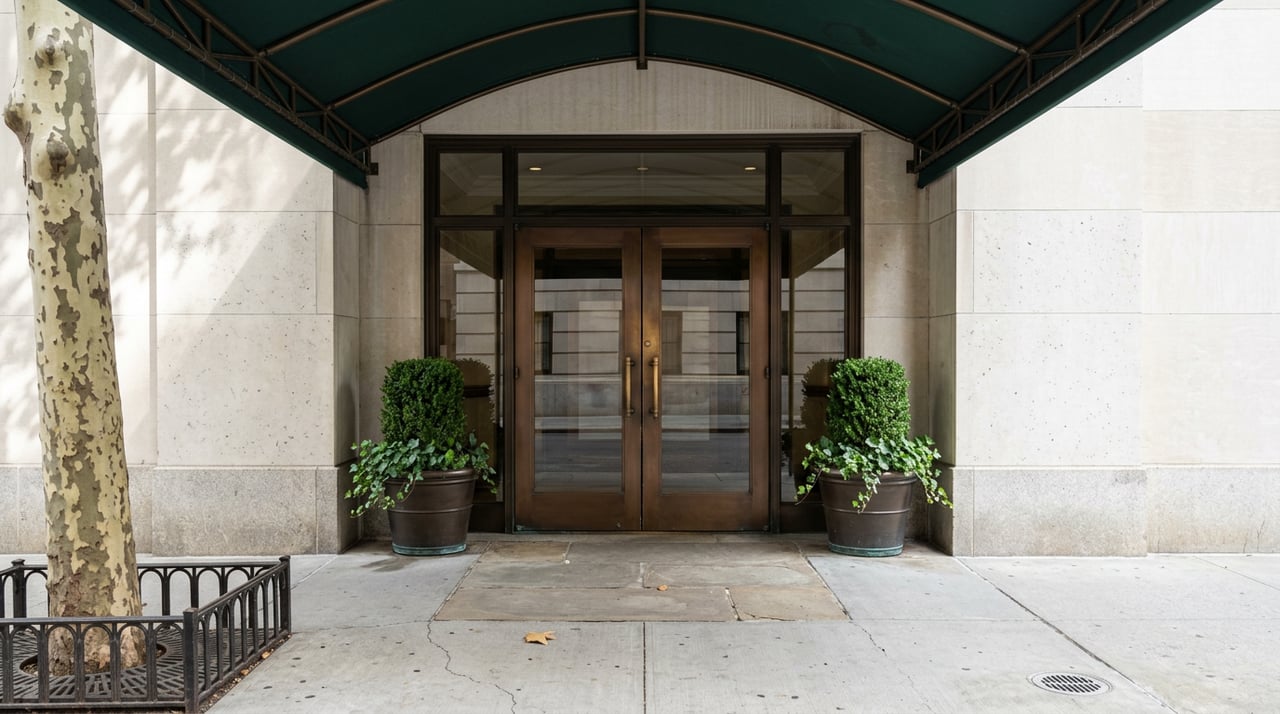
NoHo’s building stock is not typical new-construction inventory. The NoHo Historic District includes about 125 buildings that reflect the area’s commercial history from the early 1850s through the 1910s, with many properties originally built as store-and-loft buildings.
That history matters because many of these buildings were designed for commercial use long before modern residential standards. Features such as cast-iron storefronts, marble facades, side-wall stairs, open hoistways, and sidewalk vaults can influence layout, maintenance needs, and renovation limits today.
For you as a buyer, that means a stylish loft may also come with irregular floor plans, older structural systems, and building-wide issues that deserve close review. In NoHo, due diligence is rarely a box-checking exercise. It is a core part of the purchase decision.
Confirm the Unit’s Legal Status
One of the first questions to answer is simple: what exactly are you buying? In NoHo, a unit may be a fully legal residential condo, part of a condo still tied to a sponsor conversion, or located in a building that remains under New York City Loft Board jurisdiction as an Interim Multiple Dwelling, or IMD.
The NYC Loft Law applies to certain buildings that were used for commercial, manufacturing, or warehouse purposes and that do not yet have a residential certificate of occupancy, if they meet the law’s occupancy or coverage standards. If a building is still under Loft Board jurisdiction, the owner must complete a legalization process through the Department of Buildings before obtaining a residential certificate of occupancy.
This distinction affects more than labels. It can influence financing, resale, renovation planning, and your understanding of what work still needs to be completed at the building level.
Ask About Loft Board Status
If the building is an IMD, request records that show where it stands in the legalization process. The Loft Board tracks code-compliance milestones, and removal from Loft Board jurisdiction depends on completion of required steps, including issuance of a final certificate of occupancy.
If the property is already organized as a co-op or condo, removal from Loft Board jurisdiction also requires filing the offering plan and a co-op or condo exemption form after the final certificate of occupancy is issued. You want to know whether that process is complete or still in progress.
Check Occupancy Documents Carefully
In older NoHo buildings, occupancy documents can be nuanced. Some properties built before 1938 may not have a traditional certificate of occupancy, and in those cases the Department of Buildings says a Letter of No Objection may confirm legal use.
Ask your attorney to confirm whether the building has:
- A current certificate of occupancy
- A temporary certificate of occupancy
- A Letter of No Objection
- Any pending need for amended occupancy documents
This matters because open violations must be corrected before a new or amended certificate of occupancy can be issued, and unresolved issues can complicate financing or delay a closing.
Review DOB Records Early
Before you get attached to finishes or ceiling height, review the building’s public record. The NYC Department of Buildings advises buyers to check building history, including complaints, violations, actions, applications, and inspections.
In a NoHo conversion, these records are especially useful because they can highlight recurring issues that may not be obvious during a showing. They can also reveal whether visible work was properly filed and approved.
Key DOB Items to Pull
You and your attorney should review:
- The DOB property profile
- Permit history
- Complaints
- Violations
- Inspection history
- Certificate of occupancy records
- Temporary certificate of occupancy records, if applicable
- Any Letter of No Objection, if applicable
Pay close attention to violations involving boilers, elevators, facades, and fire safety. In older loft and condo conversions, those categories can have real implications for both cost and convenience.
Read the Offering Plan and Amendments
If you are buying from a sponsor, the offering plan is one of the most important documents in the transaction. The New York Attorney General advises buyers to read the entire offering plan before signing a purchase agreement, along with every amendment.
That advice is especially important in existing-building conversions. The sponsor’s engineer must disclose visible defects, but not every disclosed defect has to be repaired. In other words, a problem can be documented without being resolved.
What to Look For in the Plan
Focus on whether the documents clearly describe:
- The building’s budget
- Financial statements
- Reserve fund disclosures
- Working capital disclosures
- Post-closing sponsor financial disclosures, where applicable
- Any visible defects that were disclosed rather than repaired
If a promise matters to your decision, it should appear in writing. Marketing language and verbal assurances are not enough.
Resale Purchases Need Different Review
If you are buying a resale unit rather than from a sponsor, there may be no current offering plan available, and the sale may not be regulated in the same way. In that case, your due diligence shifts more heavily toward board minutes, financial statements, and building records.
This is where an experienced attorney and a careful review process become especially valuable. You want to understand the building as it actually operates today, not just how it was originally presented during conversion.
Study Board Minutes and Financials
Board minutes and financial reports often tell you what listing photos cannot. The Attorney General specifically points buyers to the most recent board minutes and financial report because they can reveal recurring defects, planned capital work, and the likely cost of major repairs.
For a NoHo loft or condo conversion, these records can be highly revealing. They may show whether the building has ongoing concerns tied to age, prior conversion work, or deferred maintenance.
Red Flags Worth Attention
Look for references to:
- Roof work
- Facade repairs
- Elevator issues
- Boiler replacement or repairs
- Fire-safety upgrades
- Reserve funding concerns
- Special assessments or expected capital projects
A gorgeous unit in a building with weak reserves or major deferred work can become much more expensive than it first appears.
Inspect the Physical Systems Closely
A standard walkthrough is not enough for most NoHo conversions. The Attorney General recommends checking plumbing, water pressure, heating, air conditioning, electrical fixtures, leaks, cracks, doors and cabinets, attic ventilation, and whether the property matches the offering plan and your walkthrough expectations.
In NoHo, older buildings make a few systems especially important. Roofs, facades, elevators, boilers, and fire-safety features deserve extra scrutiny because they are common pain points in aging commercial-to-residential buildings.
What Your Inspector Should Focus On
Ask your inspector to evaluate, as applicable:
- Plumbing condition and water pressure
- Heating and air conditioning performance
- Electrical fixtures and visible wiring concerns
- Leaks, moisture, and cracking
- Roof condition
- Elevator performance and maintenance indicators
- Boiler condition
- Fire-safety components
- Whether the unit layout and finishes match the documents provided
If defects were disclosed in prior conversion documents, compare those disclosures with the current condition. This can help you distinguish between an issue that was already known and one that may have worsened over time.
Check Landmark and Historic District Rules
Many NoHo properties are in a protected historic context, and that can directly affect what you may be able to change after closing. The Landmarks Preservation Commission notes that designation reports help define how future alterations are regulated, so the exact status of the property should be verified by address.
If a building is landmarked or located within a historic district, exterior work and some interior work may require LPC approval. That can shape both your renovation timeline and your renovation budget.
Why LPC Review Matters
The LPC says a Certificate of Appropriateness is required when proposed work affects protected architectural features or does not conform to LPC rules. This can include additions, demolitions, new construction, and removal of elements such as stoops or cornices.
LPC also notes that ordinary exterior repairs and most interior work generally do not need review unless the work requires a DOB permit, affects the exterior, or involves an interior landmark. For buyers, the practical step is to confirm that past visible work, such as window replacements, facade work, or rooftop additions, was properly approved.
Understand Ongoing Building Obligations
If a building remains under Loft Board jurisdiction, building services and registration requirements still matter. According to the Loft Board, IMD owners must provide services such as heat, hot water, electricity, gas, smoke and carbon-monoxide detectors, hallway and stair lighting, security, elevator service, and window guards.
IMD buildings must also be registered annually until they are removed from Loft Board jurisdiction. If you are buying into a building that has not fully exited that process, ask for records showing current registration and the status of legalization milestones.
This does not automatically mean a building is a poor purchase. It does mean you should go in with a clear picture of what is finished, what remains open, and how that may affect your ownership experience.
Questions to Resolve Before Contract
Before you sign, make sure your team has answered a few core questions:
- Is the building still under Loft Board jurisdiction, or has it been removed?
- Does the property have a current certificate of occupancy, only a temporary certificate of occupancy, or a Letter of No Objection?
- Are there open DOB violations, outstanding LPC approvals, or unfiled work?
- What do the offering plan amendments and board minutes say about reserves, capital work, facade, roof, elevator, or mechanical systems?
- If the conversion is ongoing, which tenants or sponsor-held units remain, and what rights still attach?
In NoHo, these questions are not minor details. They help define the difference between a straightforward closing and a transaction with avoidable surprises.
A Smart NoHo Purchase Starts With Clarity
NoHo lofts and condo conversions can offer scale, character, and architectural presence that are hard to replicate elsewhere in Manhattan. At the same time, their history often creates layers of legal, physical, and administrative complexity that deserve careful review.
If you approach the process with strong document review, thoughtful inspection, and clear legal guidance, you can make a more confident decision. For discreet, strategic guidance on evaluating Manhattan properties, schedule a private consultation with Marcia Koutellos, REALTOR.
FAQs
What should buyers review first in a NoHo loft conversion?
- Buyers should first confirm the unit’s legal status, including whether the building is a fully legal residential condo, part of a sponsor conversion, or still under Loft Board jurisdiction.
What occupancy documents matter for a NoHo condo conversion?
- Buyers should verify whether the building has a current certificate of occupancy, a temporary certificate of occupancy, or a Letter of No Objection if the building predates 1938.
Why do board minutes matter in a NoHo condo purchase?
- Board minutes can reveal recurring repair issues, planned capital work, reserve concerns, and building-wide problems involving roofs, facades, elevators, boilers, or fire-safety systems.
What should an inspector focus on in a NoHo loft?
- An inspector should closely review plumbing, water pressure, heating, air conditioning, electrical fixtures, leaks, cracks, roof condition, elevator indicators, boiler condition, and fire-safety features.
How do landmark rules affect a NoHo property purchase?
- If the building is landmarked or in a historic district, some exterior work and certain other changes may require Landmarks Preservation Commission approval, which can affect renovation plans and timing.
What records should buyers check with the NYC Department of Buildings for a NoHo building?
- Buyers should review the DOB property profile, permits, complaints, violations, inspection history, occupancy records, and any temporary certificate of occupancy or Letter of No Objection tied to the address.