Choosing between Lincoln Square and the Upper West Side can feel surprisingly tricky because, in many ways, you are comparing one distinct pocket with the larger neighborhood around it. If you are trying to decide where your next Manhattan home should be, the real question is less about right or wrong and more about what kind of daily experience, building style, and price point fit you best. This guide breaks down the key housing differences so you can shop with more clarity and confidence. Let’s dive in.
Lincoln Square vs. Upper West Side Basics
Before you compare housing, it helps to understand the geography. Lincoln Square is best viewed as the lower, arts-centered pocket of the Upper West Side rather than a fully separate market. Lincoln Center places its campus between West 62nd and 65th Streets and Columbus and Amsterdam Avenues, while Manhattan Community Board 7 describes the broader Upper West Side as stretching from 59th to 110th Streets between Central Park West and the Hudson River.
That means when you look at Lincoln Square, you are still looking at the Upper West Side, just a very specific slice of it. For buyers and renters, that distinction matters because this smaller area has a different housing mix and street feel than the neighborhood as a whole. In practical terms, Lincoln Square often feels more vertical, more modern, and more centered around major cultural destinations.
Housing Stock Feels Different
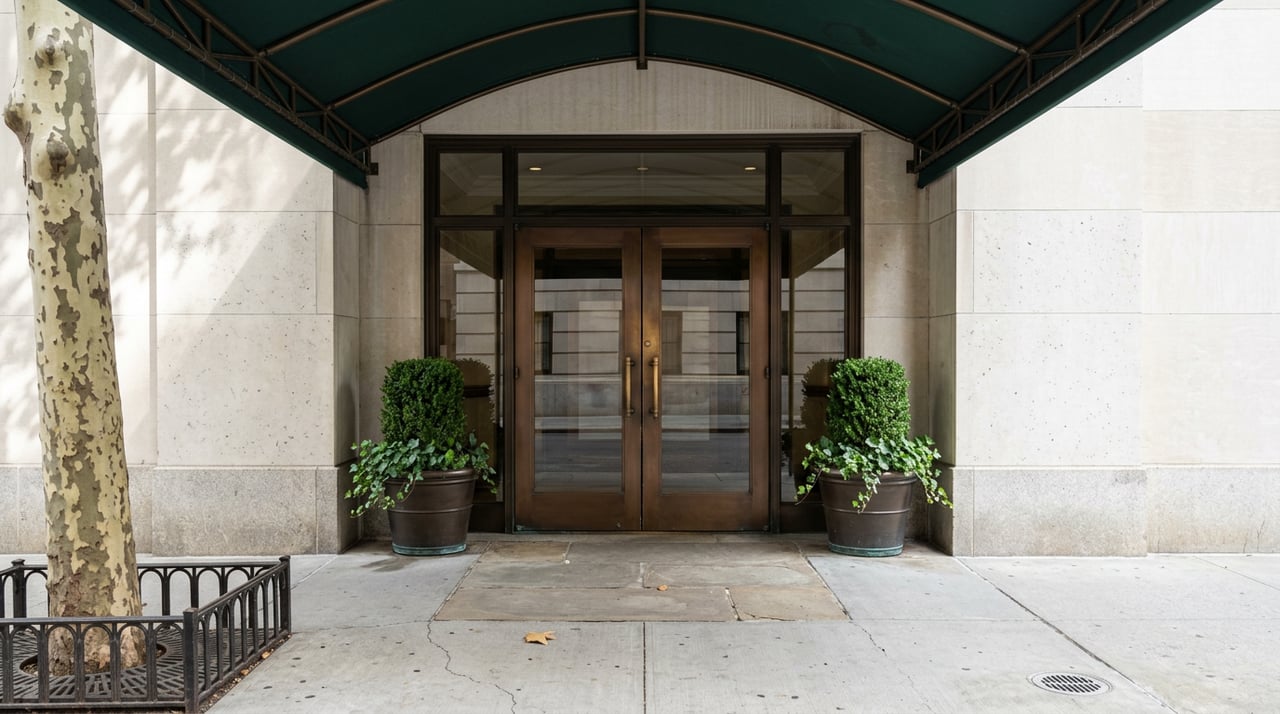
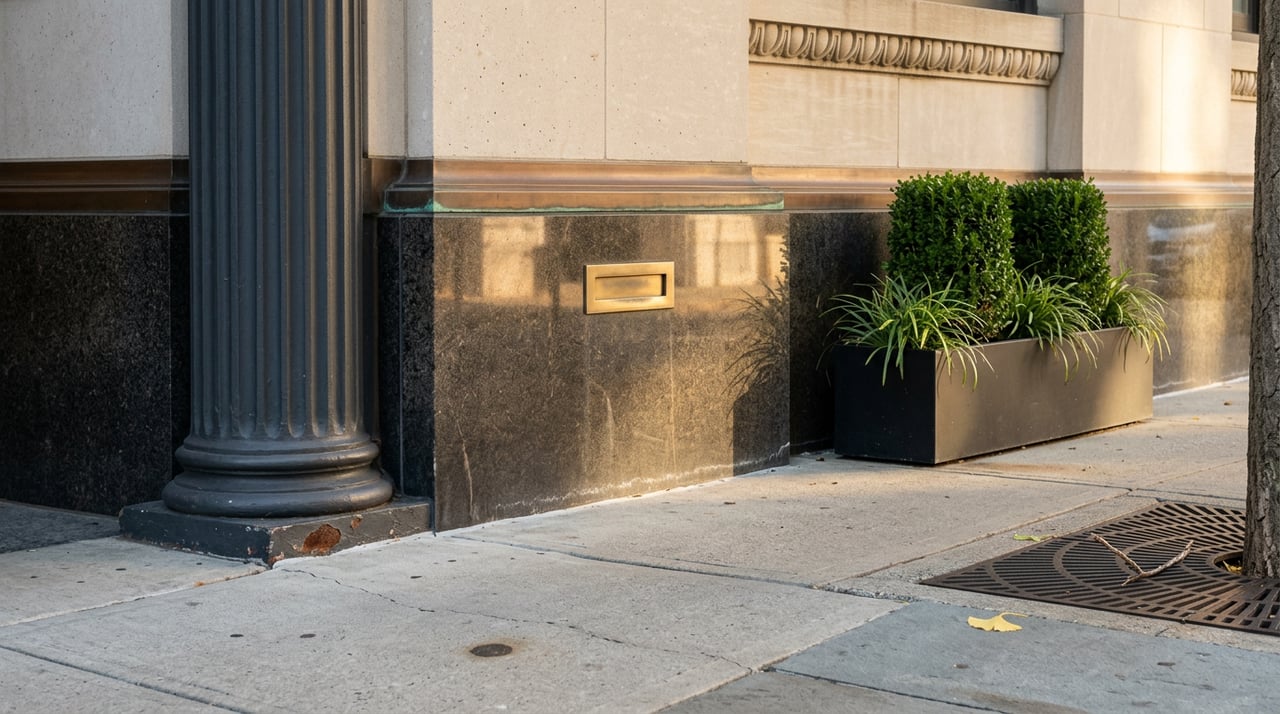
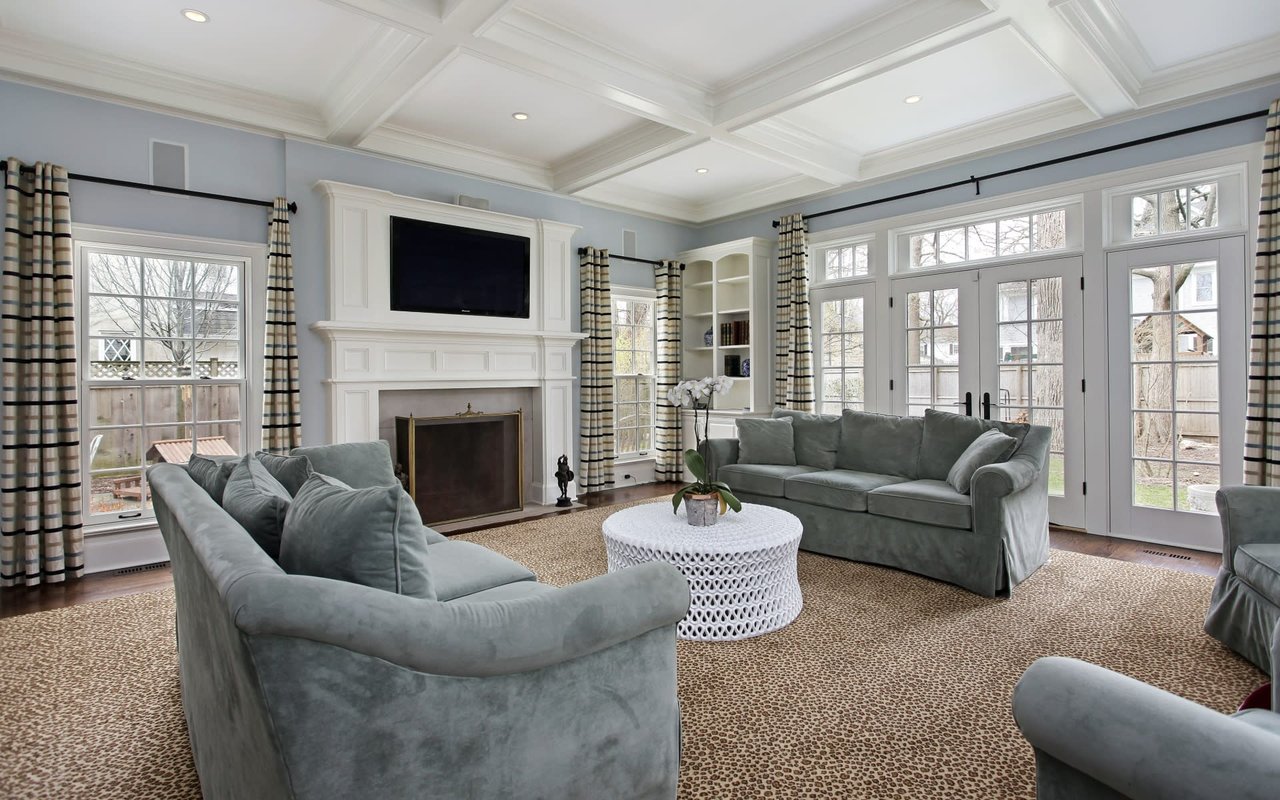
The biggest difference between Lincoln Square and the broader Upper West Side is the kind of housing you are most likely to see. Across the Upper West Side overall, StreetEasy describes the neighborhood as largely made up of big prewar apartment buildings, along with older co-ops and townhouses. That classic Manhattan look still defines much of the area.
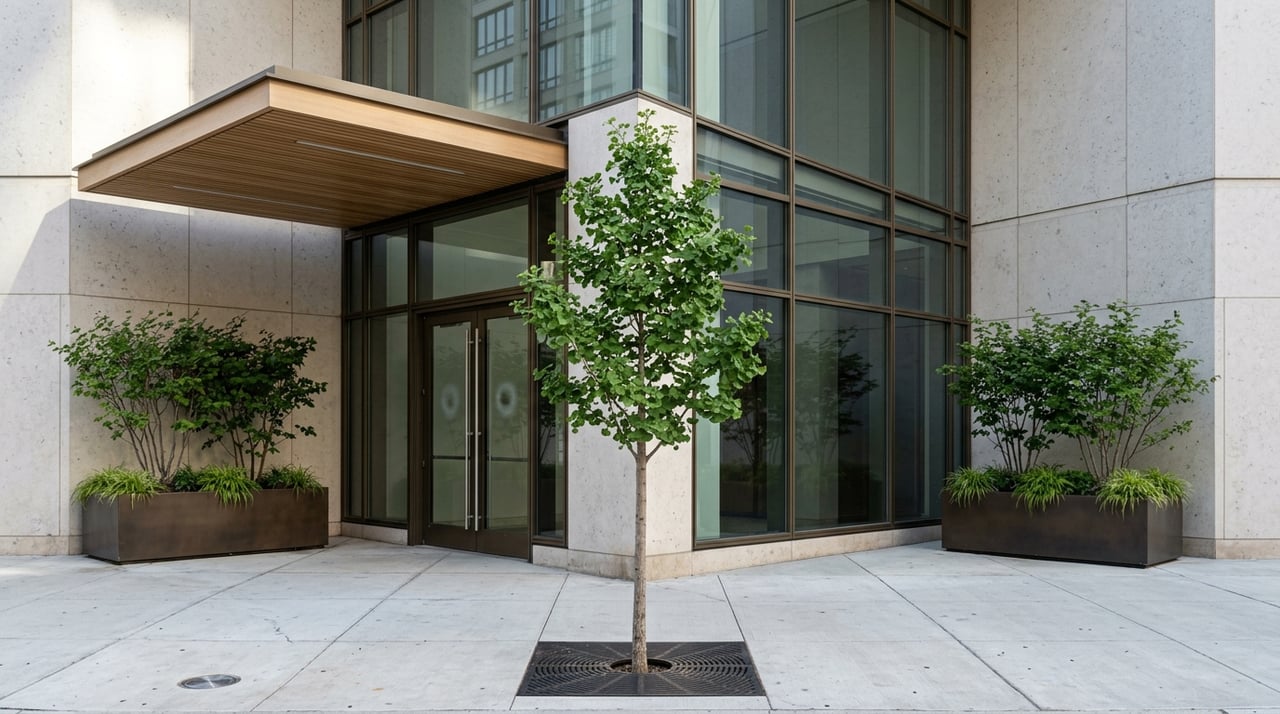
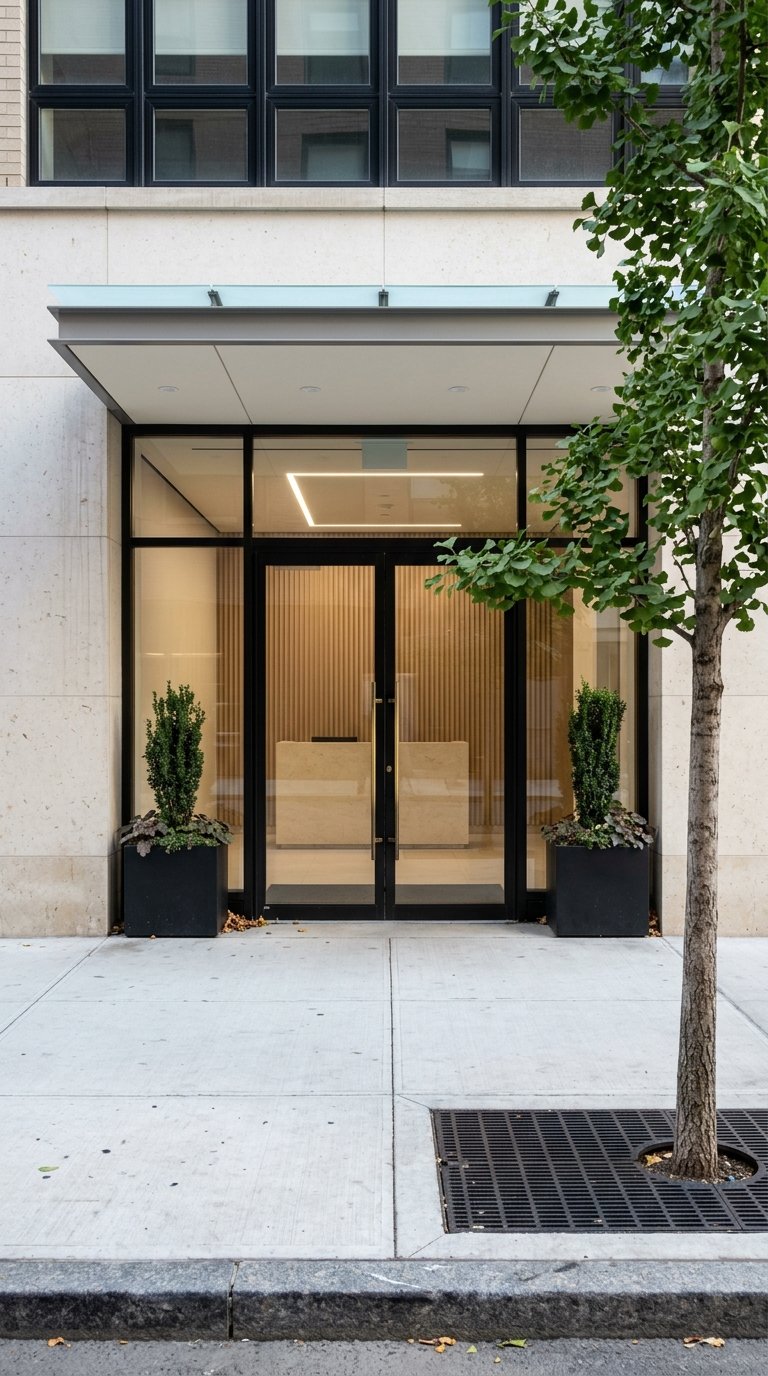
Lincoln Square blends that prewar character with more modern, taller residential buildings. As a result, it tends to feel more high-rise and more new-construction leaning than many other parts of the Upper West Side. If you are drawn to full-service towers, newer layouts, and a more contemporary building profile, Lincoln Square may stand out quickly.
The broader Upper West Side is not frozen in time, though. NYU Furman Center reports that the neighborhood had 130,471 housing units in 2024 and added 6,297 net new units from 2010 to 2025. So while the area still reads as strongly prewar, there has been continued housing production.
What Buyers Often Notice First
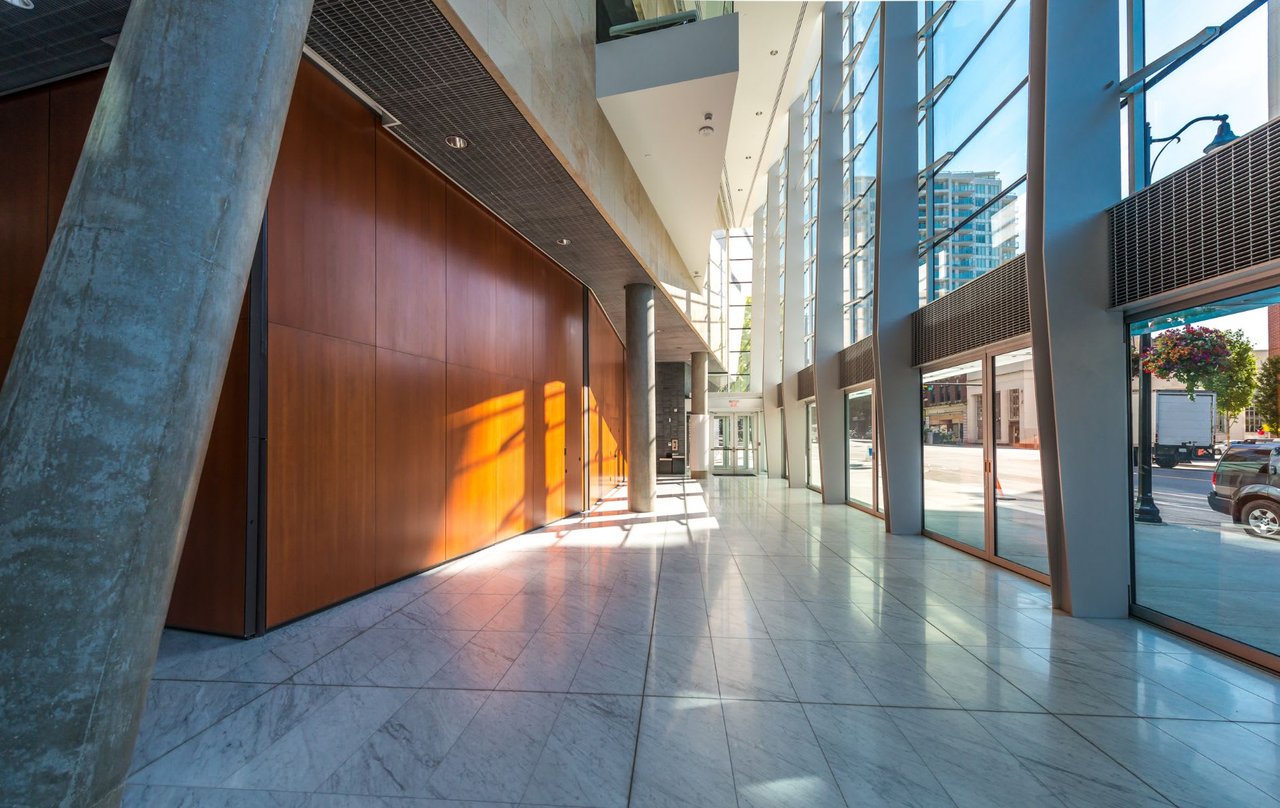
If you tour both areas back to back, you will likely notice a contrast in how buildings present themselves from the street and in the lobby. Lincoln Square often gives you a more polished tower experience with larger-scale buildings and a more contemporary residential identity. The broader Upper West Side more often delivers the classic co-op and prewar apartment experience that many buyers specifically seek out.
That difference can affect everything from layout expectations to board package planning to the overall feel of your search. Buyers looking for a certain architectural romance may lean toward the wider Upper West Side. Buyers prioritizing a sleek, amenity-rich environment may find Lincoln Square more aligned with their goals.
Lincoln Square Is Modestly Pricier
If price is a major factor, current median figures show Lincoln Square running somewhat higher. StreetEasy reports a median sale price of $1.3 million in Lincoln Square compared with $1.2 million for the broader Upper West Side. For rentals, the median base rent is $5,350 in Lincoln Square versus $4,500 on the Upper West Side overall.
That does not mean every Lincoln Square home costs more than every Upper West Side home. It does mean the market, on balance, skews a bit more expensive there right now. StreetEasy also describes Lincoln Square as one of Manhattan’s more expensive neighborhoods.
The broader Upper West Side has more pricing variety. StreetEasy notes that prices run the gamut, with the most expensive properties clustering near Central Park and Riverside Drive. So if you want more range in your search, the wider neighborhood may offer more flexibility.
Lifestyle Shapes the Housing Choice
Housing decisions in Manhattan are rarely just about the apartment itself. They are also about what happens when you step outside the building. This is where Lincoln Square and the broader Upper West Side begin to feel meaningfully different.
Lincoln Square is the more clearly arts-led market. Lincoln Center identifies itself as a multi-space performing arts complex that is home to 11 resident arts organizations, which gives this pocket a strong cultural anchor and a very specific sense of place.
The broader Upper West Side offers a different rhythm. Manhattan Community Board 7 highlights parks, retail, restaurants, and cultural institutions, while StreetEasy points to groceries, neighborhood shops, and a quieter, stroll-friendly environment. If Lincoln Square feels more destination-oriented, the wider Upper West Side often feels more day-to-day neighborhood oriented.
Transit and Convenience
Lincoln Square has strong transit access, especially around major destinations. Lincoln Center notes direct access from the 1 train at 66th Street and service from the A, B, C, D, and 1 trains at 59th Street-Columbus Circle, along with several bus lines. StreetEasy also describes Columbus Circle as a major shopping center and transportation hub.
That makes Lincoln Square especially compelling if you want quick connections and easy access to a dense mix of retail and cultural venues. The broader Upper West Side remains highly connected too, but the feel is different. NYU Furman Center reports that 90.4 percent of Upper West Side commuters used car-free transportation in 2024, and the mean travel time to work was 31.2 minutes.
For many buyers, this becomes a choice between intensity and ease. Lincoln Square often puts you closer to a high-energy node of transit, shopping, and performance venues. The broader Upper West Side may offer a more even, neighborhood-scale pattern of convenience across a larger area.
Which Area Feels More Residential?
If your goal is a more classic residential atmosphere, the broader Upper West Side may be the better fit. Its identity is closely tied to prewar buildings, townhouses, parks, neighborhood retail, and a steady everyday cadence. That can appeal to buyers who want Manhattan convenience without feeling centered on a major destination district.
Lincoln Square is still residential, of course, but it tends to feel more built around large-scale institutions and modern residential inventory. For some buyers, that is a major plus. For others, the broader Upper West Side’s quieter and more traditional street experience is the draw.
A Simple Way to Think About the Choice
One useful way to frame the decision is this: Lincoln Square often fits buyers who want a more vertical, amenity-rich, arts-centered address. The broader Upper West Side often fits buyers who want a more classic prewar, co-op-heavy neighborhood fabric and a more residential daily rhythm.
This is not a hard dividing line. Lincoln Square is already part of the Upper West Side, and there is overlap in both housing and lifestyle. Still, if you start your search with these patterns in mind, you can narrow your priorities faster and avoid comparing homes without context.
What This Means for Your Search
If you are comparing these two areas, it helps to define your priorities before you begin touring seriously. Ask yourself whether you are drawn more to contemporary towers or classic prewar buildings, whether immediate access to cultural venues matters, and how much flexibility you want on pricing and housing type. Those answers can shape your search more than the neighborhood label alone.
For buyers at the luxury end of the market, these distinctions become even more important. Building profile, service level, neighborhood cadence, and long-term positioning all influence value in different ways. A focused strategy can help you filter inventory faster and make a more confident decision.
If you are weighing Lincoln Square against the Upper West Side and want a discreet, data-informed perspective on where your goals fit best, connect with Marcia Koutellos, REALTOR to schedule a private consultation.
FAQs
Is Lincoln Square a separate neighborhood from the Upper West Side?
- For housing purposes, Lincoln Square is best treated as a lower, arts-centered pocket of the Upper West Side rather than a fully separate market.
Is Lincoln Square more expensive than the Upper West Side?
- Current StreetEasy medians show Lincoln Square with a higher median sale price at $1.3 million versus $1.2 million, and a higher median base rent at $5,350 versus $4,500.
Does the Upper West Side only have older housing stock?
- No. While the Upper West Side is still widely characterized by prewar buildings and older co-ops, NYU Furman Center reports net new housing units were added from 2010 to 2025.
Which area is more centered on arts and culture?
- Lincoln Square is more explicitly arts-centered because it is anchored by Lincoln Center and its resident arts organizations.
Which area feels more focused on everyday convenience?
- The broader Upper West Side is more associated with parks, retail, restaurants, groceries, and neighborhood-scale daily services.
What kind of buyer may prefer Lincoln Square over the broader Upper West Side?
- Buyers who want a more vertical, modern, amenity-rich, and culture-centered setting may find Lincoln Square a better match.