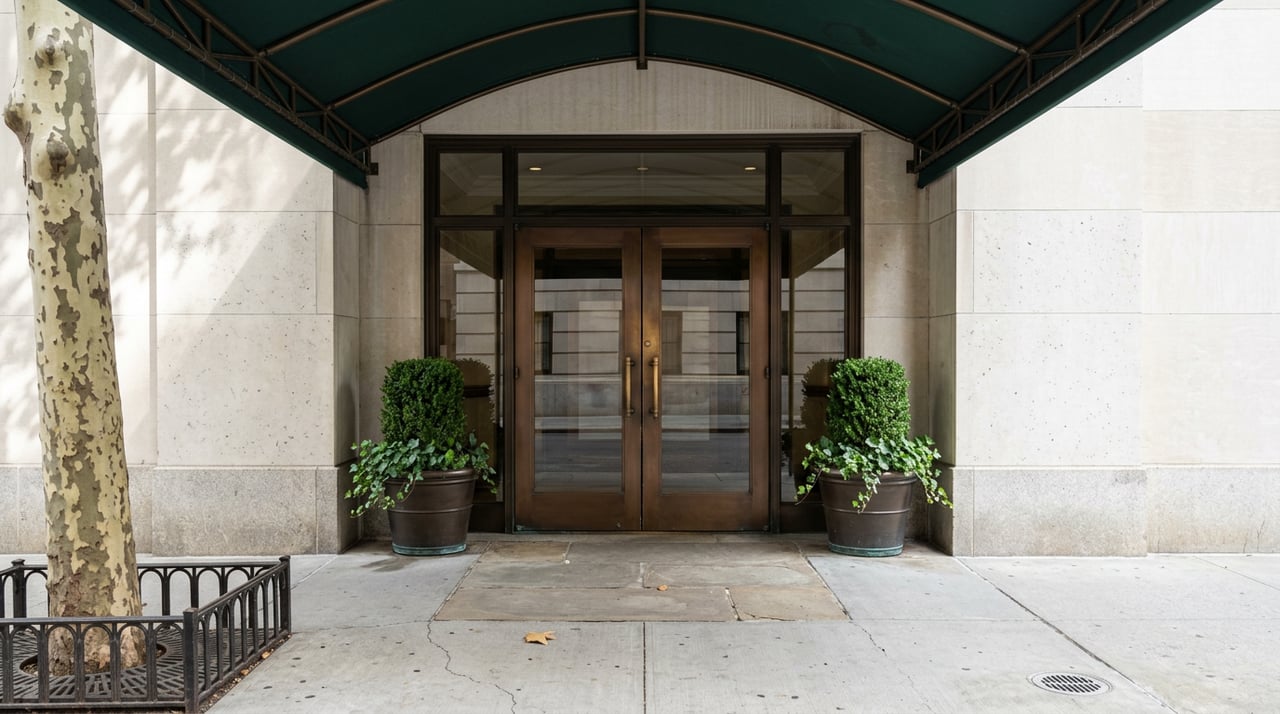
What makes an Upper East Side home stand out to a buyer who may be viewing it from another city, or another country entirely? It is rarely just the address. Global buyers often respond to a combination of prestige, clarity, and confidence in the process. If you want your sale to attract serious remote interest, your home needs to read well online, answer practical questions early, and feel easy to understand from afar. Let’s dive in.
Why the Upper East Side Connects Globally
The Upper East Side has a built-in international reputation. It is widely recognized for historic prestige, prewar luxury buildings near Central Park, Museum Mile, Madison Avenue shopping, the East River Greenway, and improved transit access through the Second Avenue subway extension. Those reference points help remote buyers quickly understand why the neighborhood matters.
That recognition is useful, but it is not enough on its own. Buyers who are not walking the block in person need help translating neighborhood status into daily life. Your marketing should show what the location means in practical terms, including nearby parks, museums, shopping corridors, and transportation access.
The neighborhood also offers a range of living options across different budgets and building types. That variety matters because international and out-of-state buyers are often comparing Manhattan options at a distance. A well-positioned listing helps them see exactly where your home fits within the Upper East Side market.
Manhattan Conditions Reward Preparation
The broader Manhattan market gives sellers an opportunity, but not a free pass. In the Elliman and Miller Samuel Q4 2025 report, Manhattan recorded a fourth straight quarter of rising sales, with 2,631 closed sales, 5,887 listings, and 6.7 months of supply. The report noted that supply was moving faster than the decade average.
For you as a seller, that points to a simple truth: buyers are active, but they are selective. A global buyer may be highly motivated, sometimes all-cash, but that same buyer also expects a polished presentation and clean information. If your listing feels incomplete or confusing, they may move on before ever scheduling a conversation.
This is especially true in a market where remote comparison is easy. Buyers can review multiple Manhattan properties in a single sitting. The homes that create momentum are the ones that feel organized, credible, and ready for review.
What Global Buyers Need Early
International buyers often approach the process differently than local buyers. According to the National Association of REALTORS® 2024 Profile of International Transactions, foreign buyers were more likely than the general market to pay all cash, with 50% purchasing without financing. The same report also found that many bought for vacation use, rental use, or both.
That means your listing may appeal to people with very different goals. Some may want a primary residence or pied-à-terre, while others are evaluating long-term holding costs and ease of ownership. Either way, they are likely to ask practical questions early, and they will notice quickly if answers are hard to find.
The same report identified common friction points for international buyers, including cost, financing, moving money, exchange-rate issues, condo or maintenance fees, property taxes, and immigration rules that affect year-round residence. For an Upper East Side seller, those are not side questions. They are central questions.
Your job is not to solve every issue in the listing copy. Your job is to reduce uncertainty. The more clearly you present facts about the property, the building, and carrying costs, the easier it is for a serious buyer to stay engaged.
Build a Remote Decision Kit
If a buyer is discovering your property online or through a referral, your home needs to function like a remote decision kit. That means every core asset should help someone understand the apartment without being there in person. Clear materials save time, build trust, and improve the quality of inquiries.
At a minimum, your presentation should include:
- High-resolution photography
- A clear floor plan
- Room dimensions
- A concise property fact sheet
- An organized due-diligence packet for qualified buyers
These materials matter because international business is driven by both relationships and digital presentation. The same NAR report found that 72% of leads and referrals came from former clients, personal contacts, and business contacts, while website and online listings accounted for 14%. In other words, your listing needs to work well when shared privately and when discovered online.
Tell the Right Upper East Side Story
A remote buyer may not know the difference between one Manhattan neighborhood block and another. Your marketing has to close that gap. For an Upper East Side listing, the visual and written story should connect the apartment to the location signals that already carry meaning.
That may include prewar architectural details, proximity to Central Park, access to Museum Mile, Madison Avenue retail corridors, and nearby transit. These details help a buyer understand not just the home itself, but the value of the address. They also create a stronger emotional frame for someone making an important decision from abroad.
This does not mean overselling. It means being specific. A polished global presentation is grounded in facts and context, not vague luxury language.
Co-op and Condo Clarity Matters
In New York City, the building structure can shape a buyer’s comfort level as much as the apartment itself. This is especially true for remote and international buyers who may not be familiar with how co-ops and condos differ. If your listing is not easy to understand, the process can feel heavier than it needs to.
The New York State Attorney General explains that a co-op is a share purchase in a corporation tied to a proprietary lease, rather than a direct purchase of real property in the same way as a condo. Co-op owners also pay maintenance charges based on share allocation, and the board is governed by the building’s bylaws, proprietary lease, certificate of incorporation, and house rules.
For sellers, that means clarity is essential. If your home is a co-op, buyers need a plain-English explanation of ownership structure, monthly charges, board expectations, and likely timing. If it is a condo, the ownership structure is usually easier to explain, but buyers still benefit from organized records and a clean summary of costs and building rules.
What to surface early
Whether you are selling a co-op or condo, it helps to surface key facts before the first serious call. That includes:
- Monthly maintenance or common charges
- Any known assessments or upcoming costs
- Basic board or building application expectations
- Sublet or occupancy rules, if applicable
- Recent building financial information and records available for review
When buyers are overseas or out of state, they cannot easily fill gaps with a quick building visit. Early transparency often makes the difference between strong interest and a stalled inquiry.
Strengthen Your Due-Diligence Packet
For New York buyers, building documentation matters. For remote buyers, it matters even more. The New York State Attorney General advises buyers to read the entire offering plan and consult an attorney before signing a purchase agreement, and warns them not to rely on brochures, verbal statements, or renderings for promises not written into the offering plan or contract.
The Attorney General also notes that board meeting minutes, financial reports, and building violation records can reveal defects and upcoming costs. In existing buildings, expensive issues often involve facades, roofs, elevators, plumbing, electrical systems, and boilers. These are the kinds of details that can affect both confidence and pricing.
If you prepare these records in advance, your property becomes much easier to evaluate. Serious buyers and their advisors can review information quickly, ask better questions, and move forward with fewer surprises. That kind of preparation is especially persuasive in a high-value Manhattan sale.
Documents that help reduce uncertainty
A stronger seller packet may include:
- Offering plan access where relevant
- Recent financial statements
- Board meeting minutes available for review
- Building violation records
- House rules or bylaws summaries
- Details on recent or planned capital work
You do not need to overwhelm buyers with paperwork at first contact. You do need to show that the important information is organized and ready.
Keep International Outreach Compliant
Multilingual communication can make your listing more accessible to global buyers, but it must stay compliance-first. New York State Department of State guidance requires a written Fair Housing and Anti-Discrimination Disclosure at first substantive contact, along with a Fair Housing and Anti-Discrimination Notice on broker websites and at open houses.
New York City Human Rights Law also prohibits housing discrimination based on citizenship status and national origin, and the city defines national origin to include language. That means international marketing should expand access, not imply preference or limit who is welcome. Clear, inclusive communication protects both the client experience and the transaction.
For sellers, this is another reason to work with an advisor who understands cross-border communication in a New York context. The goal is to make your property easier to understand for a wider audience while keeping every part of the process professional and compliant.
Why Network and Distribution Still Matter
A beautiful listing is only part of the equation. Global buyers often enter the market through trusted relationships, referrals, and business networks. The NAR data showing that 72% of international leads came from former clients, personal contacts, and business contacts is a reminder that distribution strategy matters.
That is why effective positioning is both personal and institutional. Your home should be presented with the kind of polished materials that travel well across digital channels, while also being introduced through brokerage and referral networks that reach qualified buyers. When those two pieces work together, your listing has a better chance of reaching the right audience quickly.
How to Position Your Home Well
If you want your Upper East Side home to resonate with global buyers, focus on three goals:
- Show the neighborhood clearly through recognizable, factual lifestyle cues.
- Explain the building and ownership structure simply so remote buyers can understand the path forward.
- Prepare documents early to reduce uncertainty and support serious decision-making.
In a neighborhood with global recognition, the edge often comes from execution. Prestige may attract attention, but clarity is what converts it into offers.
When your home is marketed with discretion, structure, and strong documentation, it becomes easier for a remote buyer to picture ownership and act with confidence. That is the kind of preparation that can help your property stand out in a selective Manhattan market.
If you are preparing to sell on the Upper East Side and want a tailored strategy for presenting your home to qualified domestic and international buyers, Marcia Koutellos, REALTOR can help you position the property with the clarity, discretion, and global reach today’s market demands.
FAQs
How should you market an Upper East Side home to international buyers?
- Focus on a strong digital presentation, clear neighborhood context, organized property facts, and early answers to buyer questions about costs, building rules, and documentation.
What documents matter most when selling a co-op or condo in the Upper East Side?
- Buyers often want access to key building records such as financial statements, board minutes, violation records, house rules, and offering plan materials where relevant.
Why do remote buyers care so much about building details in Manhattan?
- Remote buyers often cannot inspect a building or resolve questions in person, so clear information about costs, rules, repairs, and ownership structure helps reduce uncertainty.
What makes the Upper East Side appealing to global buyers?
- The neighborhood is widely associated with prestige, prewar architecture, Central Park access, Museum Mile, Madison Avenue, the East River Greenway, and strong transit connections.
How can sellers reduce friction for global buyers in an Upper East Side sale?
- Sellers can reduce friction by preparing a polished remote decision kit, surfacing carrying costs and building expectations early, and organizing due-diligence materials before serious inquiries arrive.