What does quiet luxury look like in Manhattan when you want more than a flashy address? In NoHo, it often means a smaller building, a more private feel, and architecture with real provenance. If you are drawn to downtown living but want discretion, design character, and limited inventory, this neighborhood deserves a closer look. Let’s dive in.
Why NoHo Feels Like Quiet Luxury
NoHo’s appeal starts with scale. StreetEasy places the neighborhood north of Houston and between SoHo, Greenwich Village, and the East Village, while the NoHo BID defines a compact service area from Houston to Astor Place between Mercer and Lafayette.
That small footprint shapes the experience of living here. You are in the middle of downtown Manhattan, but the neighborhood does not read like an overbuilt tower district. For many buyers, that balance is exactly what makes NoHo feel refined rather than performative.
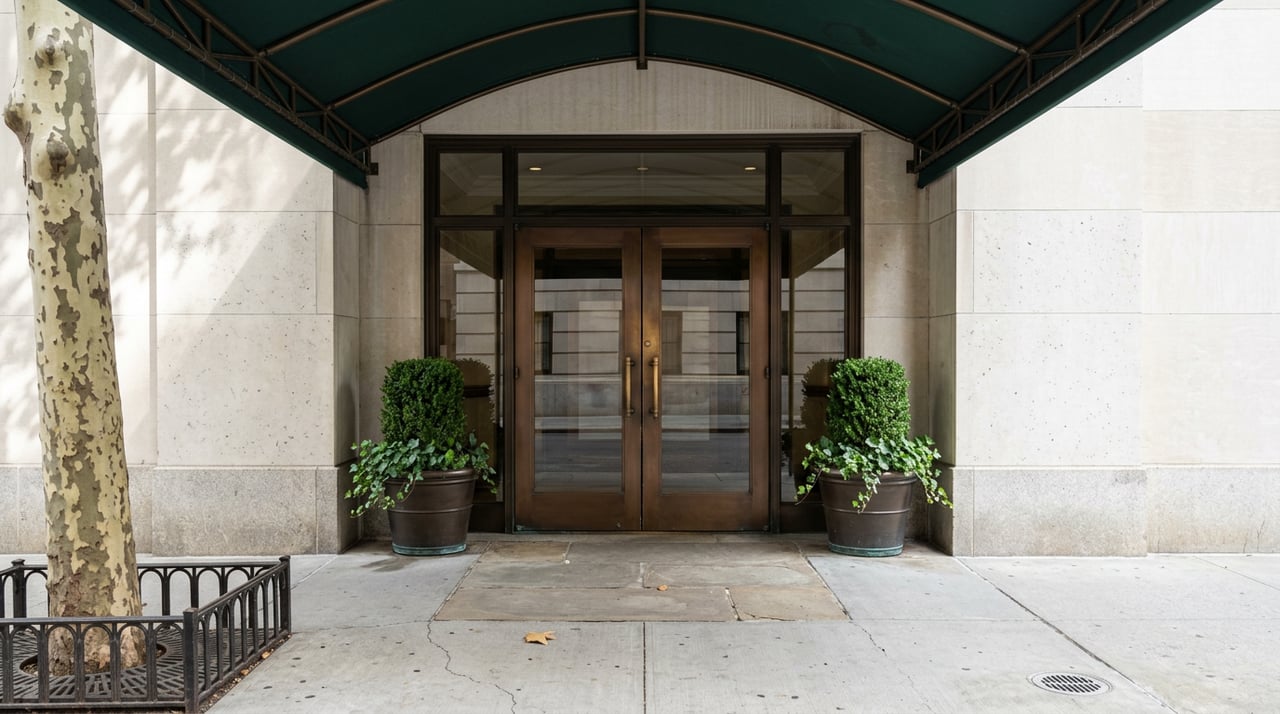
Quiet luxury in NoHo is also about discretion. Instead of endless high-rise inventory, you will often find intimate loft conversions, boutique co-ops, condos, and a smaller number of rentals and new-development residences. The result is a market that feels curated and limited by design.
Boutique Buildings Define NoHo
NoHo’s residential identity is closely tied to its historic building stock. The NoHo Historic District, designated on June 29, 1999, includes about 125 buildings that reflect New York’s commercial history from the early 1850s through the 1910s.
According to the Landmarks Preservation Commission report, the district includes store-and-loft buildings, early nineteenth-century houses, institutional buildings, turn-of-the-century office buildings, and smaller commercial structures. Facades in marble, cast iron, limestone, brick, and terra cotta give the neighborhood much of its visual depth.
That variety matters if you value design. The district includes neo-Grec, Romanesque, Renaissance, Queen Anne, neo-Classical, and Colonial Revival architecture, which helps explain why NoHo has such a distinct loft-like and design-forward reputation.
A second landmark overlay adds another layer to the neighborhood’s identity. The NoHo East Historic District was designated on June 24, 2003, reinforcing the area’s protected character and contributing to its cohesive street presence.
What Buyers Can Expect
If you are shopping in NoHo, expect quality over quantity. Current inventory on StreetEasy shows co-ops, condos, rentals, and some new-development product, but the overall scale remains small.
That limited supply is part of the value proposition. Boutique buildings typically offer fewer residences, less turnover, and a more private ownership experience than larger developments. For buyers who prioritize privacy and architectural character, those tradeoffs can be very appealing.
You may also find that no two opportunities feel exactly alike. In a neighborhood shaped by loft conversions and historic structures, floor plans, finishes, and building rules can vary significantly from one address to the next.
Co-ops, Condos, and Rentals
NoHo does not offer one uniform housing type. Instead, the neighborhood includes a mix of co-ops, condos, rentals, and select new development, which gives buyers and renters a few different paths into the market.
For a purchaser, that means strategy matters. A condo may offer one ownership structure, while a co-op may come with a different review process and building framework. In a boutique neighborhood with thin inventory, understanding the specifics of each building becomes especially important.
Landmark Rules Shape the Experience
One reason NoHo retains its quiet-luxury feel is that preservation rules have real impact. In landmarked buildings, the Landmarks Preservation Commission must approve in advance any alteration, reconstruction, demolition, or new construction that affects a designated building.
Interior work is generally outside LPC review unless it affects the exterior or involves an interior landmark. That distinction is useful if you are considering updates, because your renovation plans may depend on exactly what changes are proposed and where.
Landmark status does not mean the neighborhood is frozen. The commission notes that new construction can still happen on vacant lots or on sites with no significance, as long as the design is appropriate.
For buyers, that creates an important balance. The neighborhood can evolve, but the historic streetscape and human-scale feel still have meaningful protection.
Growth Without Towers
NoHo’s future is also shaped by zoning policy. The 2021 Special SoHo-NoHo Mixed Use District was created to broaden housing choices, support arts and cultural uses, and modernize land-use rules.
Just as important, the adopted plan relies on contextual envelopes and does not allow towers. For buyers who worry that neighborhood character could be erased by oversized development, that policy helps preserve the lower-rise rhythm that defines NoHo today.
This is one of the strongest arguments for NoHo as a quiet-luxury market. It offers a central location and continued relevance, but within rules that support scale and context rather than vertical excess.
Walkability Adds Everyday Value
Luxury is not only about interiors or finishes. In NoHo, part of the appeal is how easy daily life can feel once you step outside.
Transit access is a major advantage. MTA materials show Astor Place on the 6 line and Broadway-Lafayette/Bleecker on the 6, B, D, F, and M lines, giving you multiple rapid-transit options for moving around Manhattan and beyond.
That connectivity supports the neighborhood’s discreet convenience. You can enjoy a highly central address without relying on a car, which is a meaningful benefit for full-time residents, pied-a-terre owners, and investors alike.
The public realm also supports the polished feel many buyers notice right away. The NoHo BID funds sanitation, graffiti removal, public safety, landscaping, and advocacy, while NYC DOT announced bike and pedestrian upgrades on Lafayette Street in spring 2026.
Together, those efforts help explain why NoHo often feels cared for, walkable, and visually composed. In a boutique neighborhood, those details matter.
Why Pricing Stays Elevated
NoHo is not a volume market. It is a limited-supply market with premium pricing, and the numbers support that story.
As of June 28, 2026, StreetEasy showed 37 listings for sale in NoHo with a median asking price of $3,995,000. It also showed 13 rental listings with a median asking rent of $8,800.
On the closed-sales side, PropertyShark reported a May 2026 median sale price of $4 million, a median price per square foot of $1,588, and only 4 transactions. That same report placed NoHo well above Manhattan overall, where the May median sale price was $1.3 million.
Low transaction volume can sometimes raise questions, but in NoHo it helps tell the story. When supply is thin, turnover is limited, and the housing stock is distinctive, pricing can remain elevated because buyers are competing for something that is genuinely scarce.
What This Means for Buyers
If you are buying in NoHo, patience and clarity matter. You are not choosing from a broad, interchangeable inventory pool. You are evaluating a small number of residences where architecture, ownership structure, privacy, and building personality can all affect long-term value.
This is where a tailored search becomes essential. In a market defined by boutique inventory, the right opportunity may be the one that aligns with your priorities on layout, scale, renovation tolerance, and level of discretion.
For international buyers, investors, and Manhattan purchasers seeking a polished downtown foothold, NoHo can offer a compelling combination of rarity and function. It is central, connected, and architecturally rich without feeling overstated.
What This Means for Sellers
If you own in NoHo, your property may benefit from a market identity that is both narrow and powerful. Buyers are not just shopping square footage here. They are buying into provenance, streetscape, scale, and a more private form of luxury.
That means presentation and positioning matter. In a boutique market with few direct comparables, your home’s story, building context, and architectural strengths can play a major role in how it is perceived.
When handled well, limited supply can work in a seller’s favor. Distinctive residences in tightly held neighborhoods often stand out most when the marketing strategy reflects the sophistication of the asset.
If you are considering a purchase or sale in NoHo and want discreet, data-driven guidance, connect with Marcia Koutellos, REALTOR for a private consultation.
FAQs
What makes NoHo feel quieter than nearby downtown neighborhoods?
- NoHo’s compact footprint, lower-rise streetscape, boutique building stock, and limited inventory help create a more discreet and less overbuilt feel.
What does landmark status mean for a NoHo buyer planning renovations?
- In designated buildings, the Landmarks Preservation Commission must approve exterior-facing alterations, reconstruction, demolition, or new construction in advance, while most interior work is generally outside review unless it affects the exterior or an interior landmark.
What types of homes are most common in NoHo?
- NoHo includes a mix of boutique co-ops, condos, rentals, loft conversions, and some new-development residences, with overall inventory remaining relatively small.
How easy is it to get around NoHo without a car?
- NoHo has strong transit access through Astor Place and Broadway-Lafayette/Bleecker, with service on the 6, B, D, F, and M lines, making daily travel convenient without driving.
Why are NoHo home prices so high even when few properties sell?
- NoHo tends to maintain premium pricing because inventory is limited, transaction volume is low, and many buyers are seeking rare homes with architectural character, privacy, and a central downtown location.