What makes the Upper East Side feel elegant every day, not just on special occasions? It is the rare mix of classic Manhattan architecture, cultural depth, practical transit, and easy routines that fit naturally into daily life. If you are considering a move, a pied-à-terre, or a long-term investment here, understanding that balance matters. Let’s dive in.
Why the Upper East Side Feels Timeless
The Upper East Side is defined by a setting that feels both refined and livable. Manhattan Community District 8 spans East 59th to East 96th Streets between Fifth Avenue and the East River, with an ongoing focus on preserving the neighborhood’s residential character while balancing retail and historic districts.
That framework helps explain why the area feels so cohesive. Landmarks materials describe an attractive mix of quality residential construction and commercial convenience, including 19th-century rowhouses and Italianate or neo-Grec buildings that continue to shape the streetscape.
For you as a buyer, that means the neighborhood offers more than a prestigious address. It offers a visual rhythm and consistency that give everyday blocks a distinctly classic Manhattan feel.
Architecture Meets Daily Life
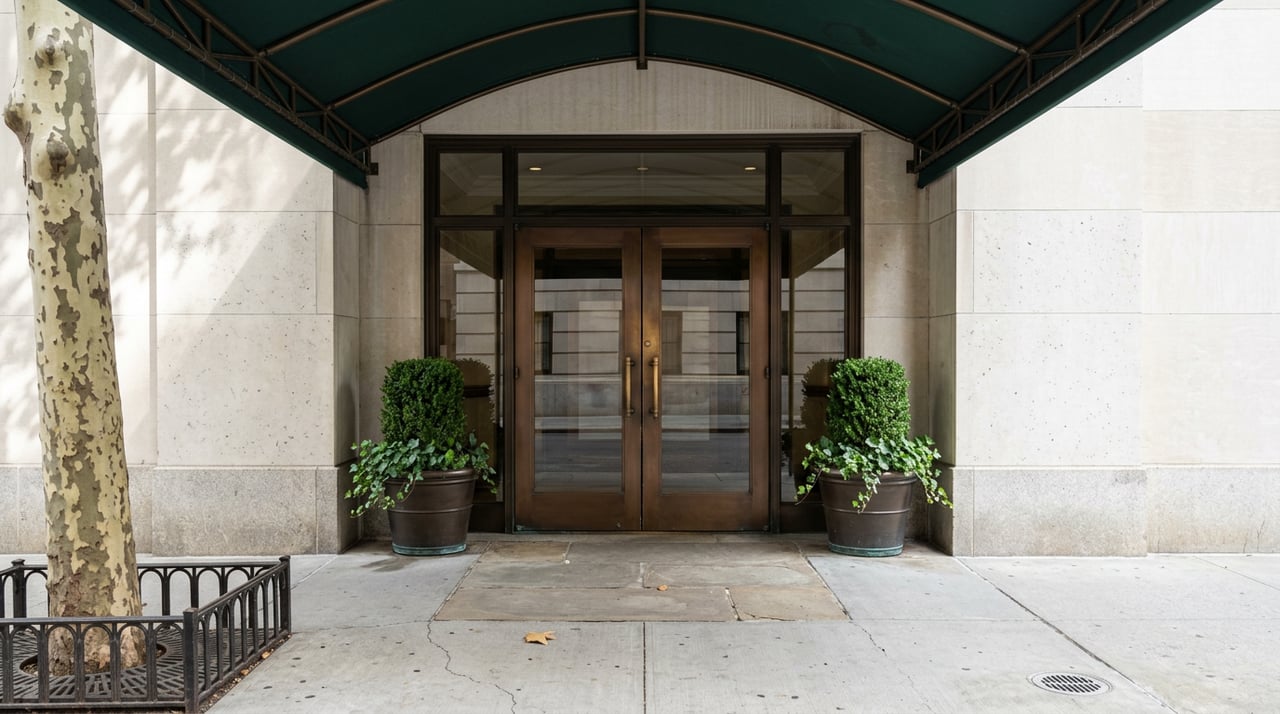
One of the Upper East Side’s strengths is that beauty is not limited to a few headline buildings. The neighborhood’s residential streets, historic facades, and corner retail create an environment where architecture and routine work together.
You can step out of a townhouse-lined block and quickly reach cafés, boutiques, services, or a crosstown bus. That ease matters because luxury is often experienced in small moments, not only in square footage or finishes.
For many buyers, this is the appeal. The neighborhood feels established and polished, yet it still supports the practical needs of a busy week.
Fifth Avenue Culture, Steps Away
The Upper East Side is home to one of New York’s most recognizable cultural corridors. Along Fifth Avenue, you will find The Met at 82nd Street, the Guggenheim at 88th Street, and The Frick Collection at 1 East 70th Street, which reopened in spring 2025 after a major renovation.
This concentration of institutions shapes the neighborhood in a very real way. Rather than feeling like occasional destinations, these museums can become part of your normal rhythm, whether that means a quiet afternoon at a gallery or a weekend visit close to home.
That kind of access adds depth to daily living. If you value art, design, and a sense of cultural continuity, the Upper East Side offers it in an unusually convenient format.
Museum Access Is Straightforward
The area’s cultural appeal is strengthened by how accessible it is. Official museum directions highlight the role of transit, including the 4, 5, and 6 trains to 86th Street and bus routes along Fifth and Madison.
For you, that means museum visits do not have to feel like a production. They can fit into an afternoon between meetings, errands, or dinner plans.
Madison Avenue Adds Polish and Convenience
Madison Avenue is one of the neighborhood’s defining corridors. The Madison Avenue BID presents it as one of the world’s premier luxury shopping districts, stretching from East 57th to East 86th Streets and adjacent side streets.
But the avenue is not only about fashion or flagship storefronts. The business mix includes boutiques, galleries, restaurants, hotels, cafés, and bakeries, which gives the corridor a more layered role in everyday life.
That makes a difference when you are evaluating how a neighborhood actually functions. Madison Avenue works as both a destination and a service spine, supporting everything from leisurely browsing to quick daily stops.
A Neighborhood Built for Routines
The Upper East Side stands out because it supports repeatable habits. A morning coffee, a bakery stop, a walk before work, or a short detour for shopping can all happen within a compact and polished setting.
For many clients, that is what everyday elegance really means. It is not only visual appeal. It is the ability to move through your day with a sense of ease.
Parks and Open Space Matter Here
Even in a dense part of Manhattan, access to open space remains central to the Upper East Side lifestyle. On the west side of the neighborhood, Central Park offers routes and landscapes that support regular outdoor time, including the 1.58-mile Reservoir loop, the Dene between 65th and 67th Streets, and East Green at 69th Street.
These are not abstract amenities. They are the kinds of places that can shape your morning run, weekend walk, or quiet hour outside.
On the east side, Carl Schurz Park runs along East End Avenue from East 84th to East 90th Streets. The East River edge also remains important, with ongoing NYC Parks reconstruction and stabilization work along sections of the East River Esplanade.
Open Space Supports Quality of Life
Community planning materials identify parks and East River Esplanade work as major district issues, which underscores how important open space is in this part of Manhattan. That priority reflects the role parks play in how residents actually live.
If you are comparing neighborhoods, this is worth noting. The Upper East Side offers not just landmark architecture and cultural access, but also meaningful outdoor options on both sides of the neighborhood.
Transit Adds Real Practical Value
Elegance alone is not enough for most buyers. Daily function matters, and the Upper East Side offers unusually strong transit infrastructure.
The MTA identifies the Upper East Side as New York City’s densest neighborhood. Second Avenue Subway Phase 1 serves nearly 200,000 riders a day and reduced morning overcrowding on Lexington Avenue by 40 percent, while extending the Q to 96th Street and adding stations at 72nd and 86th Streets.
That is a meaningful quality-of-life factor if you commute regularly or simply want more flexibility in how you move through the city. The Lexington Avenue line also continues to provide 4, 5, and 6 service, with stops at 59th, 68th, 77th, and 86th Streets, while crosstown options include the M79 and M86 buses.
Regional Access Helps Too
For buyers who split time between Manhattan and other areas, regional connectivity also matters. East Side Access brought Long Island Rail Road service to Grand Central Madison beneath Grand Central, improving commuter and regional travel options from the East Side.
If your schedule includes office travel, weekend departures, or a broader city-to-suburb lifestyle, that infrastructure can make the neighborhood even more compelling.
Who the Upper East Side May Suit Best
The Upper East Side often appeals to buyers who want a classic Manhattan setting without giving up convenience. Official sources and neighborhood infrastructure together suggest a strong fit for relocation-minded professionals and others who value museums, cafés, parks, and reliable transit in one established location.
That can include someone looking for a full-time residence, a well-positioned pied-à-terre, or a long-term Manhattan investment. The common thread is usually the same: you want a neighborhood that feels elevated, but also works.
For many discerning buyers, that is the true luxury proposition here. The Upper East Side offers classic character with practical infrastructure, which is a combination that remains difficult to replicate.
What This Means for Buyers
If you are searching on the Upper East Side, it helps to look beyond the building itself. The value of the neighborhood often comes from how well the surrounding streets, transit, culture, and open space support your daily routine.
A home near Fifth Avenue may offer quick museum access and Central Park proximity. A home closer to Madison Avenue may place cafés, boutiques, and services at your doorstep. Farther east, you may find easier access to Carl Schurz Park, the East River, and the Second Avenue Subway.
Each pocket serves a slightly different version of Upper East Side living. The right choice depends on how you want your days to unfold.
A Thoughtful Approach to the Search
In a neighborhood this nuanced, guidance matters. Street-by-street differences can shape not only atmosphere, but also convenience, privacy, and the kind of routine your property will support.
That is why many high-intent buyers benefit from a tailored search strategy. When your priorities are clear, it becomes easier to identify the right fit among condominiums, penthouses, townhouses, and other distinctive opportunities.
If you are considering a move on the Upper East Side, working with an advisor who understands both the lifestyle and the complexity of Manhattan real estate can help you move with more clarity and confidence.
If you are ready to explore Upper East Side opportunities with a discreet, informed approach, schedule a private consultation with Marcia Koutellos, REALTOR.
FAQs
What defines everyday elegance on the Upper East Side?
- Everyday elegance on the Upper East Side comes from the mix of historic residential streets, major cultural institutions, practical shopping corridors, parks, and strong transit access.
What museums are located on the Upper East Side?
- The Upper East Side’s Fifth Avenue corridor includes The Met at 82nd Street, the Guggenheim at 88th Street, and The Frick Collection at 1 East 70th Street.
What shopping areas are important on the Upper East Side?
- Madison Avenue is a major Upper East Side corridor, extending from East 57th to East 86th Streets with boutiques, galleries, restaurants, hotels, cafés, and bakeries.
What parks serve the Upper East Side neighborhood?
- Central Park and Carl Schurz Park are key open-space resources for the Upper East Side, along with the East River Esplanade corridor.
What subway lines serve the Upper East Side?
- The Upper East Side is served by the Q line on Second Avenue and by the 4, 5, and 6 lines along Lexington Avenue, with additional crosstown bus service including the M79 and M86.
Who might enjoy living on the Upper East Side?
- The Upper East Side may suit buyers who want a classic Manhattan environment with practical daily infrastructure, including culture, parks, shopping, and transit.