You do not buy a NoHo loft the same way you buy a standard downtown apartment. In this market, sophisticated buyers are not just comparing finishes or price per square foot. They are assessing scarcity, legal use, building constraints, and long-term carrying costs with unusual care. If you are considering a loft investment in NoHo, understanding what truly drives value can help you evaluate opportunities with more precision. Let’s dive in.
Why NoHo lofts require deeper analysis
NoHo is a small, preservation-heavy Manhattan submarket with a limited supply of authentic loft properties. The NoHo Historic District covers about 125 buildings, and the adjacent NoHo East Historic District adds 42 more. That protected setting helps explain why the neighborhood remains so distinct and why expansion of true loft inventory is difficult.
As of May 17, 2026, StreetEasy data show NoHo averaging $2,539 per square foot, with a median asking price of $4.25 million, 33 homes for sale, and 18 rentals available. Those numbers point to a rarefied market, but pricing alone does not tell the full story. In NoHo, buyers often focus just as much on the quality of the asset as on the headline valuation.
Building quality comes first
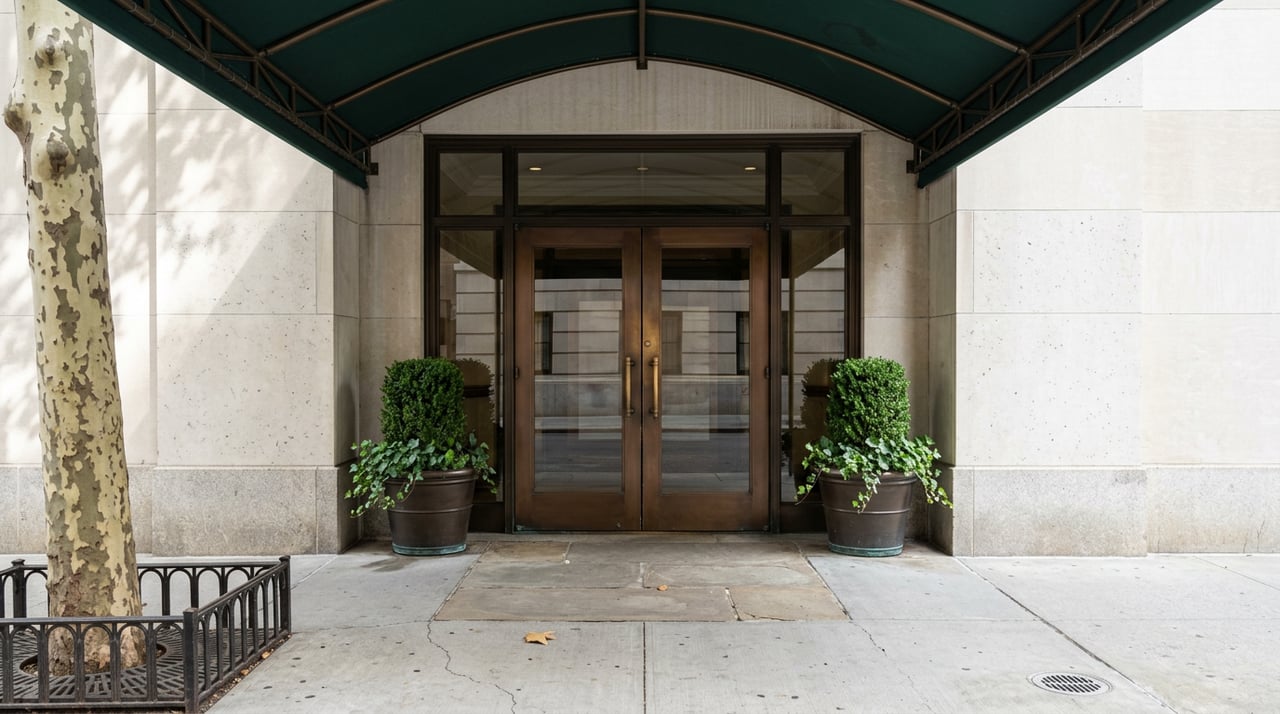
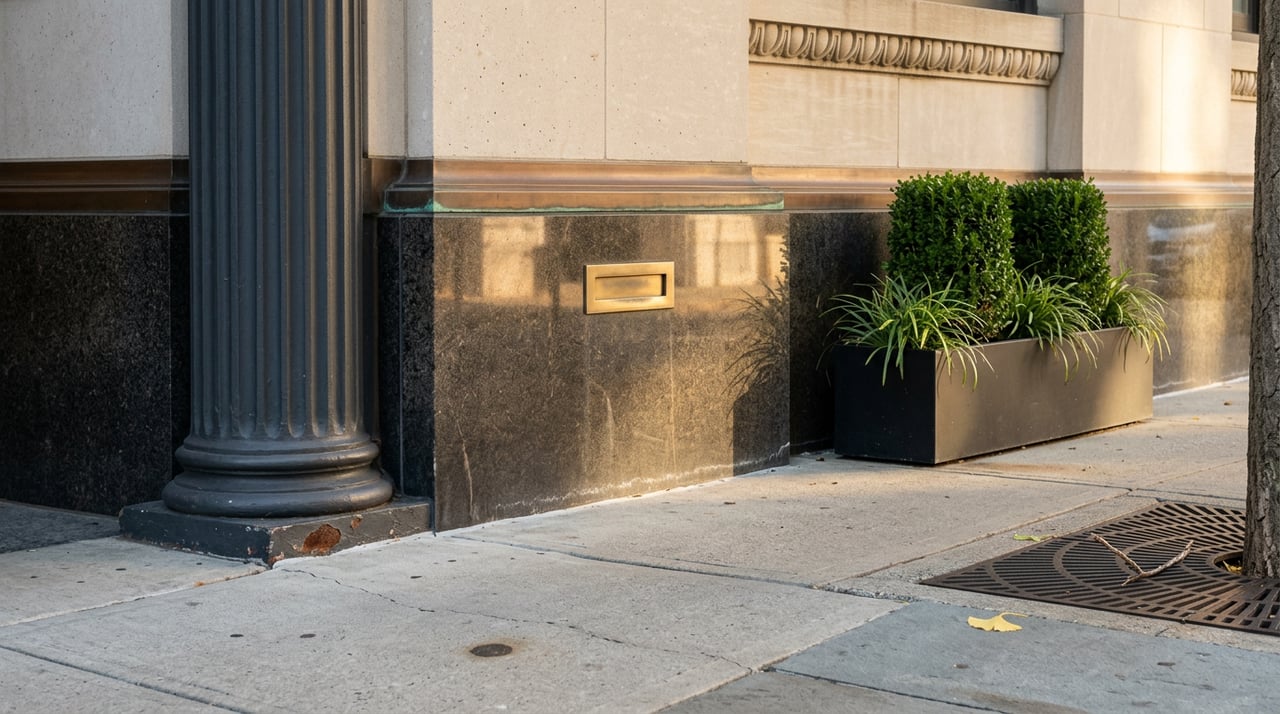
In NoHo, the asset is often the building before it is the individual apartment. The neighborhood’s classic inventory includes store-and-loft buildings built from the mid-19th century through the early 20th century, with masonry, cast-iron, marble, brick, and terra-cotta construction. Many are four to twelve stories tall and were originally designed with large open upper floors that could adapt to changing uses.
That matters because a loft’s value is tied to how much authentic character remains. Sophisticated buyers often look closely at whether original proportions, materials, and industrial scale are still visible or whether repeated renovations have diluted the space. A property may sit in a historic district, but the quality of its preservation and alteration history can vary significantly from one building to the next.
Historic district rules affect future plans
Landmark status does not mean a building is frozen in time. The New York City Landmarks Preservation Commission states that designation channels change through a review process, including advance approval for certain alterations, reconstruction, demolition, and new construction affecting designated properties.
For you as a buyer, that means future work may involve more time, more design review, and potentially more expense. If you are underwriting a renovation or value-add strategy, it is important to understand the building’s prior alteration history and whether there are pending LPC or Department of Buildings filings. Those details can shape both your timeline and your budget.
Interior performance matters more than staging
A beautiful loft should also function well. In NoHo, ceiling height is not just an aesthetic feature. It is part of the usable volume and a major reason these homes feel different from more conventional apartments.
The historic district was built around large, open upper-story spaces, light courts, and lot-line windows. Buyers who think beyond the surface often test whether a loft still performs like a loft or whether it has been divided into a plan that loses light, openness, or flexibility.
What buyers assess inside the loft
When evaluating interior performance, sophisticated buyers often focus on a few practical questions:
- How much clear ceiling height is actually usable?
- Where are the columns, and do they interrupt furniture placement or room planning?
- How strong is the window line across the full floorplate?
- Does the layout support bedrooms, workspace, storage, and entertaining without creating dark interior rooms?
- Is the apartment flexible enough for your lifestyle now and later?
These questions are especially important in a neighborhood where original loft volume is part of the investment thesis. A renovated space can look polished in photos, but if the plan reduces natural light or flexibility, the long-term appeal may be narrower.
Legal status is a critical checkpoint
In older loft buildings, legal use should be reviewed with care. According to the New York City Department of Buildings, a Certificate of Occupancy states the legal use and permitted occupancy of a building. No one may legally occupy a building until a CO or temporary CO has been issued.
For some buildings constructed before 1938, a Letter of No Objection may serve as proof of legal use if a Certificate of Occupancy was not required. This is especially relevant in a neighborhood with many older structures and layered building histories.
Former loft use can create added complexity
The New York City Loft Board explains that buildings meeting Loft Law criteria are treated as Interim Multiple Dwellings. Former commercial or manufacturing lofts may require legalization before the city recognizes them as fully compliant residences.
For a buyer, this means legal status should never be treated as a minor technicality. It can affect financing, renovation planning, occupancy certainty, and exit strategy. In a high-value market like NoHo, that review is part of disciplined due diligence.
Carrying costs can reshape the investment case
A loft may look compelling at the asking price, but monthly carry often determines whether the numbers truly work. In co-ops, the New York City Department of Finance notes that property taxes are folded into common charges. HPD also describes maintenance fees as covering operating expenses such as water and sewer, insurance, loan payments, management and monitoring fees, plus reserve contributions for major repairs.
That means buyers should evaluate more than the purchase price. Building budgets, reserve strength, and expected capital needs can all affect the true cost of ownership.
What to review in monthly costs
Before you get comfortable with the sticker price, it helps to review:
- Current maintenance or common charges
- Real estate tax structure
- Reserve levels and recent capital work
- Any known upcoming building projects
- Whether monthly charges appear consistent with the building’s physical condition and needs
The Department of Finance also values co-op and condo buildings as income-producing properties using comparable rental-building income and expense analysis. For buyers, that is a useful reminder that building economics matter, even in a luxury purchase.
Tax abatements should not be assumed
If you are modeling ownership costs, verify tax treatment before you consider a property fully underwritten. NYC311 states that the co-op and condo property tax abatement is generally applied through the building’s board or managing agent and typically requires the unit to be the owner’s primary residence.
That can be especially important in NoHo, where some buyers purchase a pied-à-terre or an investment-oriented property. If the unit will not qualify as a primary residence, your practical assumption should be that monthly carrying costs may be higher. That one detail can materially change the investment picture.
Scarcity supports long-term demand
One reason NoHo continues to attract serious capital is that its core product is hard to replicate. StreetEasy’s April 2026 market report says Manhattan inventory fell for the 26th consecutive month, while citywide asking rent reached a record high. A December 2025 StreetEasy report also found that 56 percent of Manhattan’s new inventory in 2025 came from prewar buildings, underscoring how much the borough still relies on older stock.
In that context, NoHo’s protected loft buildings sit in a supply pool that cannot be easily reproduced. That scarcity does not remove market risk, but it does help explain why buyers continue to pay a premium for authentic character space in this neighborhood.
NoHo’s premium reflects identity
NoHo’s current pricing also reinforces its position within downtown Manhattan. StreetEasy’s neighborhood snapshot places NoHo above SoHo and Greenwich Village in average price per square foot, and far above the East Village.
Buyers in this market are often paying for more than square footage. They are paying for intact commercial streetscapes, protected architectural character, and a form of residential product that feels increasingly rare. When a loft combines strong building fundamentals, legal clarity, and enduring character, that combination can support long-duration desirability.
A smart NoHo loft checklist
If you are evaluating a loft investment in NoHo, these are some of the most important areas to assess:
- Building profile: age, construction, preservation quality, and alteration history
- Historic district implications: likely review requirements for future work
- Interior performance: ceiling height, light, window line, and floorplan flexibility
- Legal use: Certificate of Occupancy, temporary CO, or Letter of No Objection, where applicable
- Loft compliance: any issues related to former commercial or manufacturing use
- Monthly carry: maintenance, common charges, taxes, reserves, and upcoming projects
- Tax treatment: whether a co-op or condo abatement is likely to apply
- Scarcity and resale position: how the asset compares within NoHo’s limited loft supply
A disciplined review in each of these areas can help you distinguish between a loft that is merely appealing and one that is truly investable.
In a micro-market like NoHo, real estate decisions often reward precision. If you want expert guidance on evaluating authentic loft inventory, carrying costs, and the nuances that shape value in downtown Manhattan, schedule a private consultation with Marcia Koutellos, REALTOR.
FAQs
What makes a NoHo loft different from a typical Manhattan condo?
- A NoHo loft is often valued for its historic building character, open volume, and scarcity within a protected district, not just for its finishes or square footage.
Why do historic district rules matter when buying in NoHo?
- Historic district rules can affect alterations, reconstruction, demolition, and some exterior work, which may influence renovation timing, design options, and total project cost.
What should buyers review about legal use in a NoHo loft building?
- Buyers should confirm the building’s legal occupancy through a Certificate of Occupancy, temporary Certificate of Occupancy, or, for some older buildings, a Letter of No Objection when applicable.
How do carrying costs affect a NoHo loft investment?
- Carrying costs can materially change the ownership picture because maintenance, common charges, taxes, reserves, and future capital needs all influence the real monthly expense.
Can a pied-à-terre buyer expect the same tax treatment in NoHo?
- Not always. NYC311 notes that the co-op and condo property tax abatement generally requires the unit to be the owner’s primary residence, so non-primary-residence buyers may face higher monthly carry.
Why do sophisticated buyers focus so much on the building in NoHo?
- In NoHo, the building often drives long-term value because authentic loft buildings are limited, historically significant, and difficult to replicate in today’s market.