If you are selling a residence on Central Park South, you are not just selling square footage. You are selling a sightline, a sense of arrival, and in many cases one of the most recognizable views in New York City. That means your pricing, presentation, and marketing strategy need to treat the view as the headline feature, not a nice extra. Let’s dive in.
Why the View Drives Value
Central Park South sits along the southern edge of Central Park, one of the most view-sensitive stretches in Manhattan. StreetEasy describes the area as part of “All Midtown” and notes that it offers some of the best views in NYC, which is a major reason buyers focus so closely on line, floor, exposure, and window orientation in this submarket. In a market like this, what a buyer sees from the living room can shape the entire value conversation.
That is especially important in a neighborhood where current asking prices already reflect a luxury tier. According to StreetEasy’s Central Park South area data, there are 75 homes for sale, with a median asking price of $4.15 million and a median price per square foot of $2,691. This is a presentation-driven market where details matter.
Research also supports the idea that the view itself can command a measurable premium. In The Central Park Effect, a report from the Central Park Conservancy citing Jonathan Miller’s analysis, park-view apartments on Central Park South sold for $2,304 per square foot versus $1,996 for comparable city-view units, a 15.4% premium. That does not mean every apartment earns the same uplift, but it does confirm that the view should be treated as a price-setting asset.
Price the Residence Like a View Asset
When you prepare to list, it helps to separate two value buckets: the residence itself and the view experience. Buyers will absolutely look at finishes, layout, ceiling height, and condition, but on Central Park South, they also assess how wide the window wall feels, whether the sightline is direct or angled, and how open the exposure remains.
A strong pricing strategy should account for factors such as:
- Floor height
- Direct versus partial park exposure
- Width and scale of the windows
- Obstruction risk or competing sightlines
- Daylight quality across the main entertaining spaces
- How well the interior layout captures the view
This matters because the Manhattan luxury market has shown resilience at the high end. In March 2026, StreetEasy reported that the top third of Manhattan homes by asking price saw an 11.8% year-over-year increase in new contracts. For sellers on Central Park South, that is a useful reminder that qualified luxury buyers are active, but they are still selective and strategic.
Make the View the Focal Point
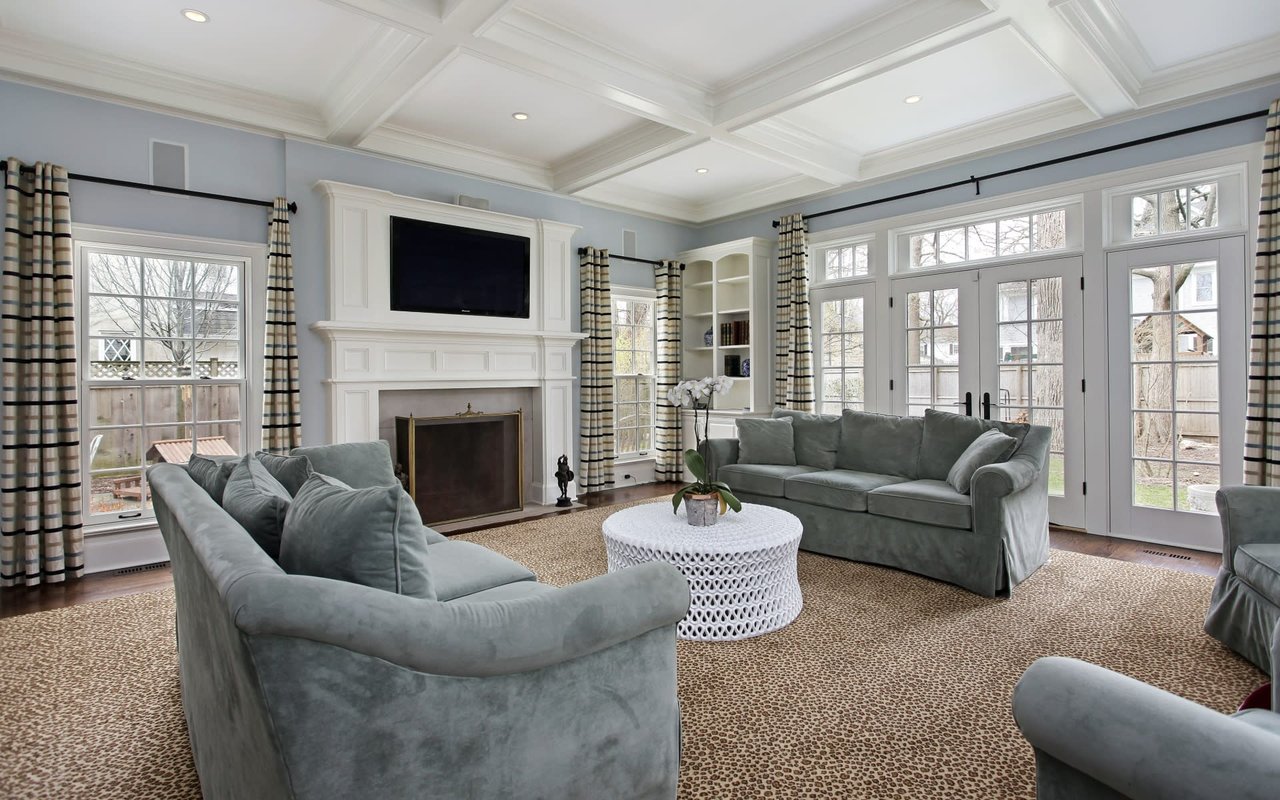
Even in a high-end residence, staging should never compete with the windows. The goal is to help buyers experience the room and the view together, with as little visual interruption as possible. If furniture blocks the sightline or accessories pull attention away from the park, the apartment will not show at its full potential.
According to the National Association of Realtors’ 2025 Profile of Home Staging, 83% of buyers’ agents said staging made it easier for buyers to visualize a future home, 29% of sellers’ agents said staging increased the dollar value offered by 1% to 10%, and 49% said staging reduced time on market. Those numbers matter when you are preparing a luxury listing where first impressions can influence the entire offer strategy.
What to Stage First
For a Central Park South residence, the most important rooms usually include:
- Living room
- Primary bedroom
- Dining area
- Kitchen
These are also the rooms most commonly staged, according to NAR. In a view property, they often carry the strongest emotional impact because they are where buyers imagine waking up, entertaining, or relaxing against the skyline and park backdrop.
How to Stage for a View Residence
NAR’s staging guidance supports a simple principle: highlight the home’s best features. For a Central Park South apartment, that usually means:
- Removing bulky furniture from the window line
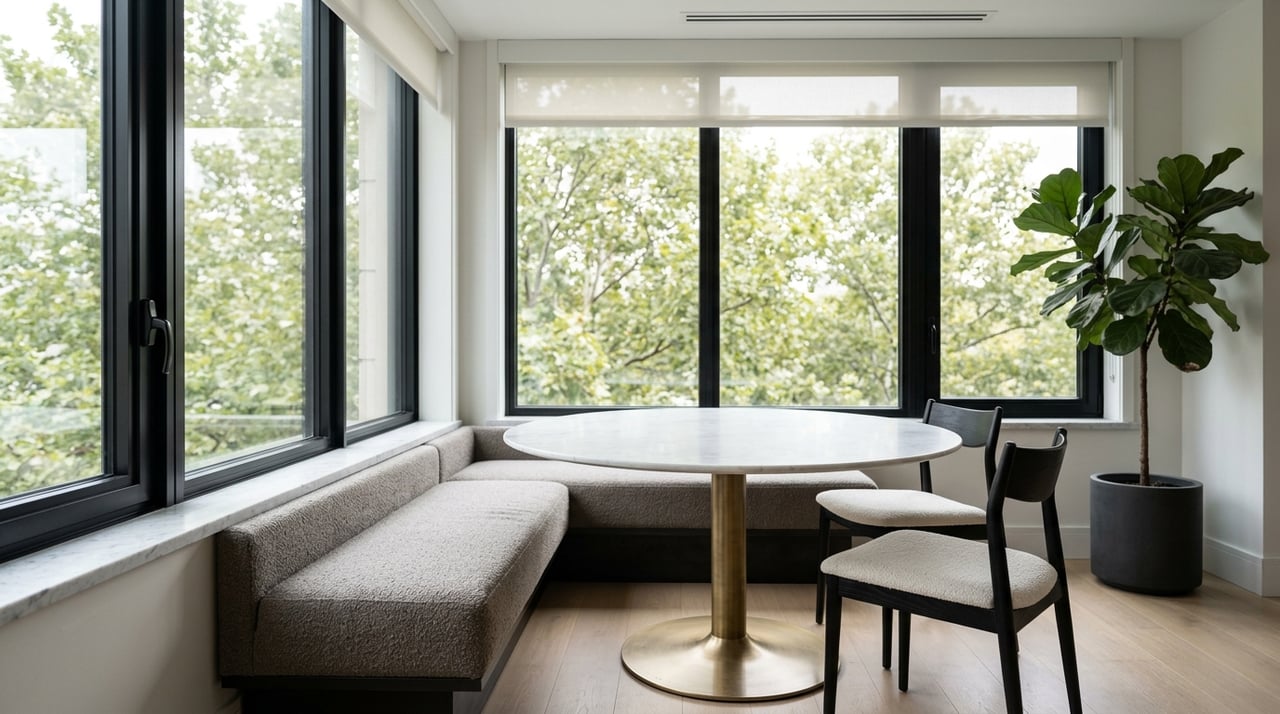
- Using light window treatments or opening them fully when appropriate
- Simplifying decor and accessories
- Decluttering surfaces
- Neutralizing dated finishes where possible
- Arranging seating to face or frame the view
The result should feel polished, calm, and open. Buyers should notice the scale of the room and then immediately be drawn to the windows.
Lead With the Right Listing Photos
Your online presentation may shape whether a buyer schedules a showing at all. NAR reports that 81% of buyers rated listing photos as the most useful feature in their online search, and 52% found the home they bought online. In a market where many buyers are busy, international, or comparing multiple luxury options at once, your first few images need to do real work.
For a view residence, the opening photo sequence should not be random. It should tell a clean visual story that starts with the strongest emotional draw and then supports it with context.
What the First Five Photos Should Show
A smart order often looks like this:
- The primary park or skyline view from the main living space
- A wide shot of the living room that shows the relationship between the room and windows
- The best secondary angle of the view, ideally with strong daylight
- The primary bedroom if it also captures the view
- A key interior space such as the dining area or kitchen that supports the luxury narrative
After that, the gallery can expand into layout, finishes, building features, and any additional exposures. The key is to establish immediately that this is a Central Park South residence with a meaningful view advantage.
Use Virtual Tours for Remote Buyers
Not every qualified buyer will be local when your residence hits the market. That is especially true on Central Park South, where international and out-of-town interest can be part of the buyer pool. A virtual tour can help buyers understand how the apartment flows and how the scale reads before they visit in person.
NAR notes that virtual tours can help remote and overseas buyers gain a clearer understanding of a property. In a view-driven residence, immersive media can also help explain the relationship between entry, entertaining space, bedroom positioning, and the windows that define the home.
Understand Co-op and Condo Differences
On Central Park South, ownership structure can shape both the selling process and buyer expectations. If you are selling a condo, the transaction is often more straightforward from an approval standpoint. If you are selling a co-op, documentation and board preparation can be a major part of the strategy.
The New York State Attorney General’s co-op guidance explains that co-op buyers purchase shares in a corporation and receive a proprietary lease, while maintenance charges are based on allocated shares. It also notes that buyers review items such as offering plans, board meeting minutes, and financial reports.
Why Documentation Matters in a Co-op Sale
If your residence is a co-op, an organized package can help reduce friction and keep momentum in a competitive negotiation. Buyers and their advisors often want clarity early, especially at the luxury level. Having key building documents prepared and accessible can make your listing feel more credible and more transaction-ready.
For sellers, that often means being ready with:
- Building financial information
- Relevant offering plan materials
- Board application requirements
- Recent board minutes if available through proper channels
- House rules and transfer requirements
Plan for Taxes and Closing Costs
Offer strategy is not just about the purchase price. On high-value Manhattan transactions, taxes and closing costs can affect how buyers frame their bids and how sellers evaluate the net result.
According to NYC’s Real Property Transfer Tax guidance, the city transfer tax is usually paid at closing, and for residential transfers over $500,000, the city rate is 1.425%. The same source also notes that New York State imposes a mansion tax on residential conveyances of $1 million or more at a rate of 1%, including individual condo and co-op units.
Why This Affects Negotiation
In a luxury sale, buyers often model their full acquisition cost, not just the contract price. That means taxes and transaction expenses can influence timing, leverage, and counteroffer structure. A seller who understands the full cost picture is often better positioned to evaluate offers strategically rather than emotionally.
Reach the Right Buyer Pool
Central Park South has global recognition, and that matters when you market a distinctive residence. NAR’s 2025 international transactions report found that foreign buyers purchased $56 billion of U.S. homes from April 2024 through March 2025, that 47% paid all cash, and that New York was among the top five U.S. destinations. For the right property, broad exposure can be more than a branding exercise. It can expand the pool of serious buyers.
The same report found that 72% of leads and referrals for agents working with foreign clients came from personal contacts and 15% from websites and online listings. That supports a balanced approach: luxury-level presentation, strong digital visibility, and relationship-based outreach.
For sellers, that means your marketing plan should be tailored, polished, and built to travel well across audiences. A residence with direct park frontage or a dramatic skyline angle deserves messaging that explains not just what the apartment is, but why its position is difficult to replicate.
Selling With a Clear Strategy
Selling a view residence on Central Park South requires more than beautiful photos and a premium price tag. You need a strategy that captures how buyers assign value, from sightlines and staging to documentation, digital presentation, and closing costs. When those pieces work together, your residence is positioned not simply as another luxury listing, but as a scarce asset in one of Manhattan’s most recognized view corridors.
If you are preparing to sell and want a discreet, highly tailored approach, connect with Marcia Koutellos, REALTOR to schedule a private consultation.
FAQs
How much does the view affect the price of a Central Park South residence?
- Research cited by the Central Park Conservancy found that park-view apartments on Central Park South sold for 15.4% more per square foot than comparable city-view units, though the exact premium depends on the building, line, floor, and exposure.
What should be staged in a Central Park South view apartment?
- The living room, primary bedroom, dining area, and kitchen usually deserve the most attention, with furniture and decor arranged to keep the windows and sightlines as the focal point.
Which listing photos should come first for a Central Park South sale?
- The first images should usually feature the main park or skyline view, then show how the living space connects to that view, followed by the strongest secondary angles and key interior rooms.
How is selling a co-op on Central Park South different from selling a condo?
- A co-op sale often requires more building documentation and buyer review because the purchaser is acquiring shares in a corporation and going through a board process rather than buying real property in the same way as a condo.
What taxes should sellers and buyers consider in a Central Park South transaction?
- NYC transfer tax and New York State mansion tax can affect the total cost structure of a deal, so both sides should evaluate offers with closing costs and tax impact in mind, not just the contract price.