What if the Financial District offered more than a short walk to the office? For many buyers, FiDi still brings to mind trading floors, towers, and weekday rushes, but the neighborhood has changed in a meaningful way. If you are considering a home downtown, it helps to understand how the area actually functions after business hours, where daily life happens, and what kind of residential experience you can expect. Let’s dive in.
FiDi Is a Residential Neighborhood Now
One of the biggest shifts in Lower Manhattan is simple: more people live here than many buyers realize. According to the Downtown Alliance, the residential population of Lower Manhattan has grown from about 14,000 in 1995 to nearly 70,000 today.
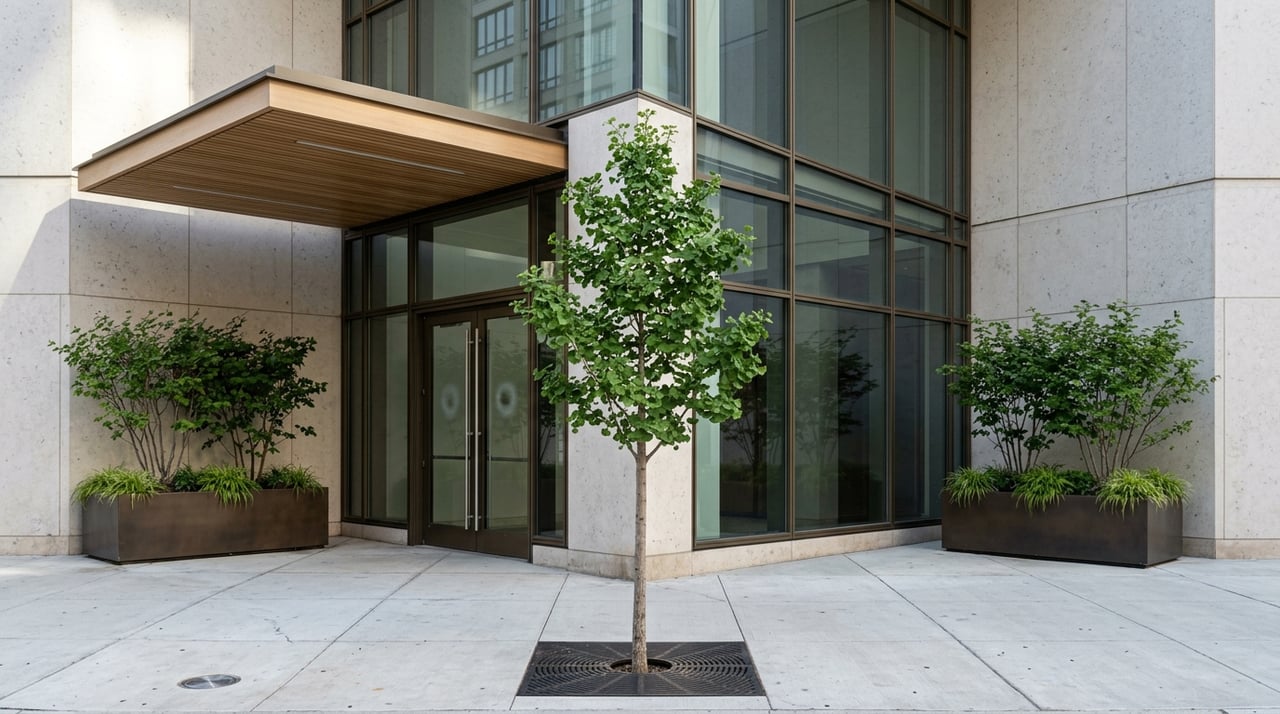
That growth did not happen by accident. Since 1995, nearly 22.5 million square feet of office space has been converted to residential use, and roughly half of the neighborhood’s housing units now come from converted buildings, with the other half coming from new construction. For you as a buyer, that means FiDi offers a distinct mix of classic loft-like conversions and newer residential towers.
Housing Stock Feels Varied
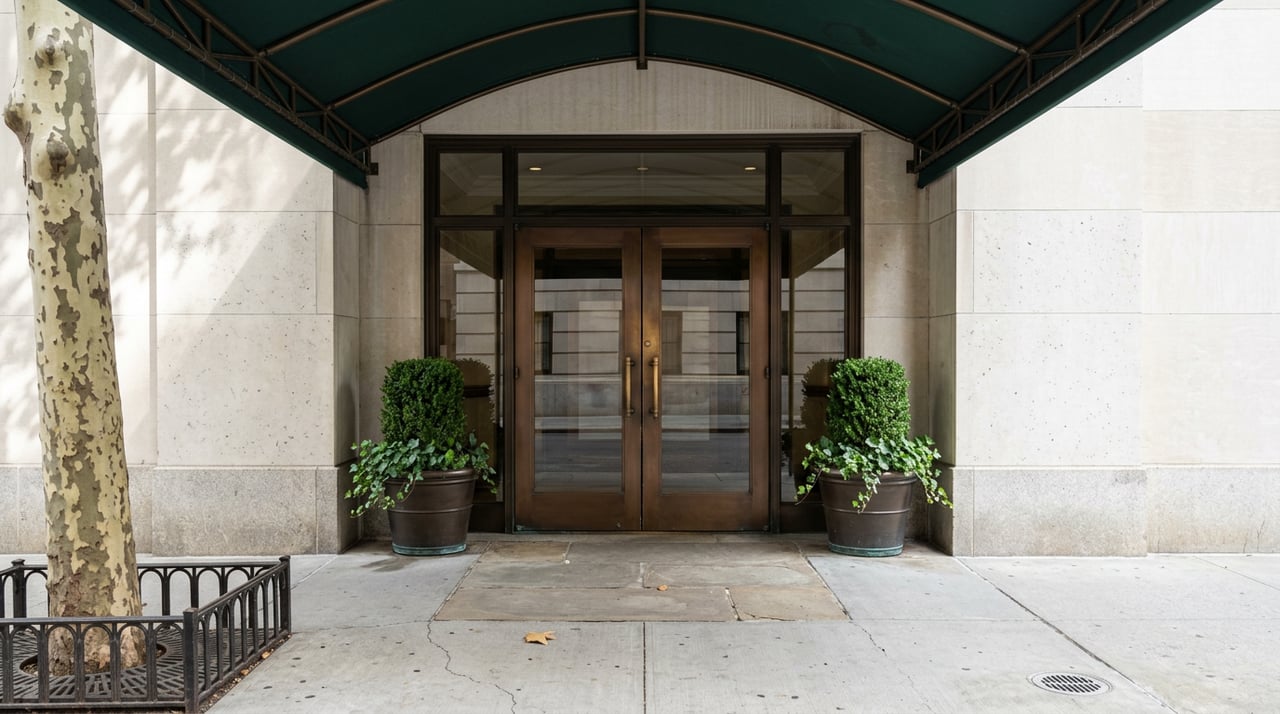
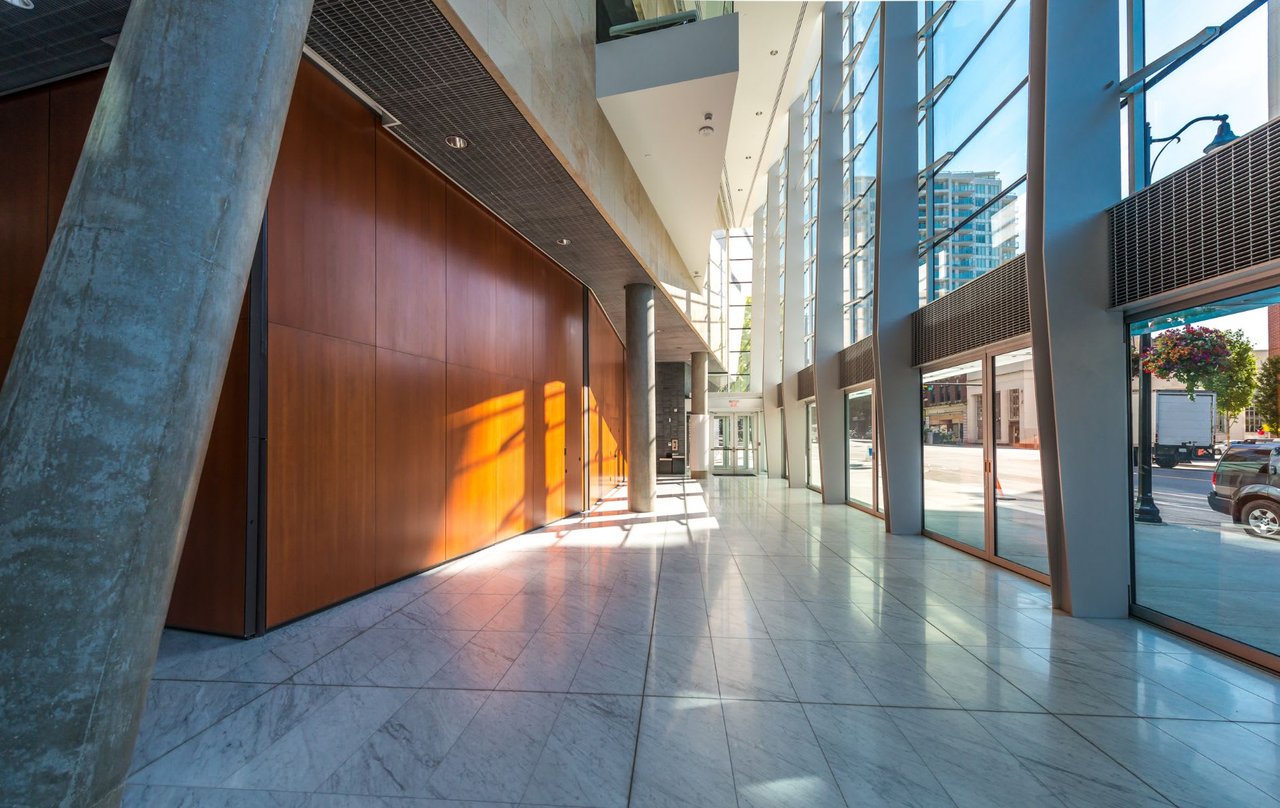
If you picture the Financial District as one uniform cluster of glass towers, the reality is more nuanced. A major part of the area’s identity comes from office-to-residential conversions, which often bring oversized windows, higher ceilings, and layouts shaped by older commercial buildings.
At the same time, the neighborhood also includes a very different streetscape near the Seaport. The NYC Zoning Resolution for the South Street Seaport Subdistrict describes an area shaped by small historic and restored buildings, waterfront openness, and a strong presence of public spaces and amenities. That contrast is part of what makes living in FiDi more layered than many first-time downtown buyers expect.
After-Work Life Centers on Key Areas
A common question from buyers is whether FiDi feels lively once the workday ends. The better answer is that activity is real, but it is concentrated. Rather than every block feeling equally busy, the neighborhood tends to come alive in clear social and lifestyle hubs.
Stone Street is the classic example. The Downtown Alliance describes it as Lower Manhattan’s restaurant row and festival epicenter, and notes that it has evolved into a more multicultural dining corridor over time. If you enjoy having a go-to area for dinner, drinks, or casual meetups, this is one of the streets that gives FiDi its after-hours energy.
The broader dining and retail picture has also expanded. In its 2025 year-end report, the Downtown Alliance reported 59 new restaurants and bars and 90 retail openings in 2025. Those numbers matter because they show a neighborhood with growing everyday convenience, not one that depends only on office workers grabbing lunch.
Waterfront Living Adds Everyday Breathing Room
One of FiDi’s biggest lifestyle advantages is access to the waterfront. In a part of Manhattan known for density and landmark architecture, open space can dramatically shape how a neighborhood feels when you live there full-time.
The Battery is central to that experience. The park includes harbor views, perennial gardens, bike paths, lawns, an urban farm, and the SeaGlass Carousel, creating a setting that feels active and restorative at once. For buyers who want downtown convenience without giving up outdoor access, this is one of the strongest lifestyle arguments for FiDi.
The Battery is also more than scenery. Its public programming includes bird walks, history tours, workshops, volunteer opportunities, and family arts activities, which helps the park function as a real neighborhood amenity. That matters because a park you actually use adds more value to daily life than one you only admire from a distance.
The Seaport Brings Culture to Daily Life
The waterfront near the Seaport adds another dimension to living downtown. It is not just visually appealing. It also gives the neighborhood a cultural rhythm that supports life beyond work.
The South Street Seaport Museum helps anchor that identity. Its offerings include the Maritime City exhibition, historic ships, Bowne & Co.’s working letterpress print shop, and sailing aboard the schooner Pioneer. For you as a resident, this means the neighborhood has recurring experiences and institutions that keep the waterfront feeling lived-in and active.
This is an important distinction. In some business districts, public space can feel impressive but underused. In FiDi, the combination of museum programming, waterfront access, and established gathering areas helps create a civic feel that supports full-time residential life.
Getting Around Is Easier Than Many Expect
Convenience matters when you are evaluating whether a neighborhood truly works as home. FiDi benefits from a transportation network that supports both short neighborhood trips and broader city access.
Residents can use the free Downtown Connection bus, which makes 36 stops around Lower Manhattan and runs daily from 10 a.m. to 7:30 p.m. That service can make local errands, meetings, or waterfront plans easier without relying on a car.
The neighborhood also has direct ferry access through Whitehall Terminal and Wall Street/Pier 11, including the free Staten Island Ferry and NYC Ferry routes serving Staten Island, Brooklyn, and the West Side. If you value multiple transit options, this adds another layer of flexibility to downtown living.
Climate Resilience Is Part of the Conversation
If you are considering a waterfront-adjacent home in FiDi, climate planning should be part of your due diligence. The same shoreline that makes the neighborhood attractive also brings exposure to coastal risk.
The city’s Financial District and Seaport Climate Resilience Master Plan is intended to protect the low-lying shoreline from coastal storms and sea-level rise. For buyers, this does not replace building-level review or property-specific diligence, but it is an important part of understanding the long-term planning framework in the area.
What Living Here Really Feels Like
So, what is the Financial District like once offices empty out? It is best understood as a neighborhood of clusters. Some streets quiet down, while others stay active because they are tied to restaurants, parks, ferries, or cultural institutions.
That pattern can actually appeal to many buyers. You may get access to a highly connected Manhattan location, major architecture, waterfront amenities, and distinct social pockets, without the same block-to-block intensity you might find in other parts of downtown. For some, that balance is exactly the point.
FiDi can be especially compelling if you value:
- A mix of converted residences and newer buildings
- Close access to the waterfront and open space
- Dining and social activity in defined areas like Stone Street and the Seaport
- Cultural institutions that support neighborhood life
- Strong local and regional transit connections
Who FiDi May Suit Best
The Financial District is not a one-size-fits-all neighborhood, and that is part of its appeal. Buyers who tend to respond well to FiDi often want a downtown address with architectural character, efficient connectivity, and a more structured rhythm to neighborhood activity.
You may want to look more closely at FiDi if you are seeking a primary residence, a pied-à-terre, or an investment-minded purchase in an area with a well-established residential evolution. The key is to match your priorities to the exact building, micro-location, and lifestyle node that best fits how you live.
If you are exploring the Financial District and want tailored guidance on where residential life feels strongest, Marcia Koutellos, REALTOR offers a discreet, high-touch approach shaped by deep market knowledge and strategic insight. Schedule a private consultation to discuss your goals and identify the right downtown opportunities for your lifestyle.
FAQs
What is residential life like in the Financial District?
- Residential life in FiDi is shaped by a growing full-time population, a mix of converted buildings and newer construction, waterfront open space, and activity centered in key areas such as Stone Street, the Seaport, and The Battery.
Are there many homes in the Financial District?
- Yes. According to the Downtown Alliance, Lower Manhattan’s residential population has grown significantly since 1995, and much of the housing stock comes from both office-to-residential conversions and new development.
What types of buildings can you find in FiDi?
- You can find a mix of converted former office buildings, newer residential towers, and, near the Seaport, smaller historic and restored buildings with a different scale and streetscape.
Is the Financial District active after work hours?
- Yes, but activity is concentrated rather than uniform. Dining, waterfront destinations, cultural programming, and parks help create lively pockets after business hours.
What parks and outdoor spaces are near the Financial District?
- The Battery is one of the area’s major outdoor anchors, offering harbor views, gardens, bike paths, lawns, an urban farm, and public programming throughout the year.
How do residents get around the Financial District?
- Residents have access to the free Downtown Connection bus, ferry service from Whitehall Terminal and Wall Street/Pier 11, and broader connections to other parts of New York City.
Should buyers think about climate risk in the Financial District?
- Yes. Because parts of FiDi and the Seaport are low-lying waterfront areas, buyers should consider long-term resilience planning alongside their building-specific due diligence.