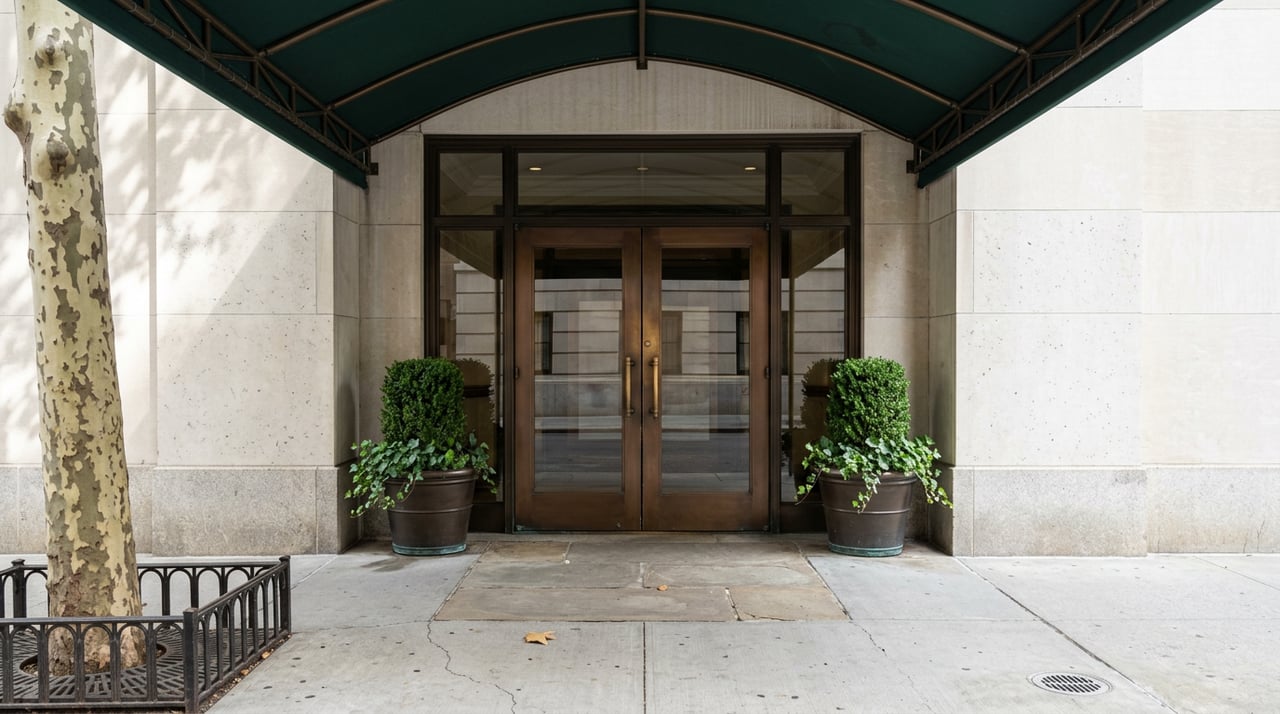
If you are considering a condo in the Financial District, it helps to look past the skyline views and polished lobbies for a moment. This is a part of Manhattan where opportunity often comes from the combination of building quality, neighborhood momentum, and disciplined due diligence. If you want to understand what truly matters before you buy in FiDi, this guide will help you evaluate the market with more clarity and confidence. Let’s dive in.
Why FiDi Deserves Attention
The Financial District is no longer defined only by office towers and weekday foot traffic. Lower Manhattan has grown into a true live-work-visit district, with a rising residential population, active retail, and a deep transit network that supports both full-time residents and pied-à-terre buyers.
That shift is backed by real numbers. Manhattan Community District 1, which includes the Financial District, grew from 60,978 residents in 2010 to 78,390 in 2020. Downtown Alliance also reported that Lower Manhattan surpassed 70,000 residents in 2025, reinforcing the idea that this is a neighborhood with year-round demand rather than a purely commercial identity.
Population Growth Supports Condo Demand
A growing residential base can matter just as much as headline pricing. More residents typically support more local services, stronger street activity, and a neighborhood that feels usable beyond business hours.
For condo buyers, that can translate into better long-term liquidity. When a neighborhood attracts both owner-occupants and investors, and continues to add amenities and housing, it often develops a broader demand base over time.
Market Signals Buyers Should Watch
The broader Manhattan condo market remains expensive and relatively cash-heavy. In the Douglas Elliman and Miller Samuel Q4 2025 Manhattan report, the median condo sales price was $1.661 million, and average condo carrying costs plus real estate taxes were $5,013 per month.
That same report noted a 74.4% cash-buyer share for Manhattan condos. In practical terms, that tells you competition can be sophisticated, and carrying costs should be part of your analysis from the start, not an afterthought.
There are also signs of local momentum in FiDi specifically. Corcoran's December 2025 Manhattan report said Financial District contract activity was up 45% year over year, with much of that activity occurring below $3 million.
Understand FiDi’s Building Mix
One of the most important things to know about the Financial District is that its housing stock is highly varied. Lower Manhattan includes both older building conversions and newer construction, and that difference can shape everything from layout efficiency to maintenance risk.
According to the Downtown Alliance's Q4 2025 residential inventory, Lower Manhattan had 37,033 total units across 350 existing buildings. About half of those residential units come from converted buildings, and about half come from new construction.
That means two condos at similar price points may offer very different ownership experiences. One may be in a former commercial building with dramatic ceiling heights and unusual floor plans, while another may be in a purpose-built residential tower with more standardized systems and amenity packages.
What Building Stature Really Means
In FiDi, building stature is not only about a recognized address. It can also reflect architecture, service level, floor plan usability, view corridors, and how much of the property is truly designed around residential living.
This matters because some buildings blend residential and legacy commercial elements in ways that affect daily life and future costs. A beautiful lobby or a strong amenity package may be appealing, but the deeper question is whether the building operates well over time and supports stable ownership.
Review the Building Before the Unit
A strong unit in a weak building can become a costly mistake. The New York Attorney General's guidance for condo buyers emphasizes reviewing the offering plan, board minutes, and financial reports because expensive issues often show up in facades, roofs, elevators, plumbing, electrical systems, or boilers.
That advice is especially relevant in a neighborhood with so many conversions. In FiDi, the smartest buyers usually focus on the physical plant, disclosure history, and reserve planning before they get too attached to finishes or staging.
Key diligence questions to ask
- Is the building a conversion or new construction?
- How old are the major systems?
- What do the financials show about reserves?
- Have there been recent or pending assessments?
- Do board minutes point to recurring maintenance issues?
- How clear and complete is the building’s disclosure history?
The Office of the Attorney General also regulates condominium offerings and conversions, and its Real Estate Finance Database allows searches by building address or file number. For buyers, that creates an additional path to verify what you are being told during the process.
Mixed-Use Growth Is Part of the Thesis
The Financial District’s evolution did not happen by accident. The Special Lower Manhattan District was designed to encourage a 24-hour community through the conversion of older commercial buildings to residential use, along with improved pedestrian conditions, retail activity, and public-space enhancements.
That planning framework helps explain why FiDi has become one of Manhattan’s most prominent conversion-led neighborhoods. It also helps buyers understand why the area continues to draw interest from residents who want access to Downtown while still living in a neighborhood that has broadened beyond office use.
Supply Pipeline and Street-Level Vitality
Recent figures show that Lower Manhattan is still evolving. Downtown Alliance reported that office vacancy ended 2025 at 22.2%, while 14 new residential conversion projects had been announced over the prior two years, adding at least 3,200 units.
At the same time, the neighborhood showed broader signs of activity. The Alliance also noted 90 retail openings in 2025 and 90% hotel occupancy in the fourth quarter, suggesting that the area continues to function as an active district for residents, workers, and visitors.
For condo buyers, that can support the long-term appeal of the location. More residents, more retail, and more neighborhood activity can help reinforce demand and make the area feel more complete as a place to live.
Why Rental Policy Still Matters to Condo Buyers
Even if you are focused on a condo purchase, rental policy can still shape the neighborhood around you. New York City HPD notes that the 421-g conversion incentive is no longer available to projects that commenced after 2006, while the newer 467-m program provides tax exemptions for certain commercial-to-rental conversions that started after December 31, 2022 and before June 30, 2031, subject to affordability requirements.
That program applies to rental housing rather than condos. Still, it can influence how obsolete commercial stock is reused, which in turn affects overall housing supply, resident population, and the mixed-use environment condo owners rely on.
Transit Is a Major Demand Driver
Convenience remains one of FiDi’s strongest selling points. The MTA says Fulton Center integrates five subway stations serving nine lines and is the busiest transit hub in Lower Manhattan, while nearby stations provide access to the 1, 2, 3, 4, 5, A, C, E, J, Z, R, and W trains.
For full-time owners, that means efficient movement across Manhattan and beyond. For pied-à-terre buyers and investors, that transit depth can support the neighborhood’s practical appeal and broaden the pool of future buyers.
Carrying Costs Can Change the Math
In a market like Manhattan, the purchase price is only part of the financial story. The Douglas Elliman and Miller Samuel Q4 2025 report found that average condo carrying costs plus real estate taxes reached $5,013 per month.
That number matters because two similar units can have very different monthly economics. A condo with attractive pricing but high common charges and taxes may be less compelling than a higher-priced alternative with stronger long-term operating efficiency.
Focus on total cost, not just entry price
When you evaluate a FiDi condo, look at:
- Purchase price
- Monthly common charges
- Real estate taxes
- Any current or possible assessments
- Reserve strength and maintenance planning
- Insurance considerations if applicable to the building
A disciplined review of total carrying cost can help you avoid overvaluing a unit that looks appealing on paper.
Resilience Should Be Part of Your Analysis
The Financial District is low-lying, which makes resilience a core issue for serious buyers. New York City’s Financial District and Seaport Climate Resilience Master Plan addresses flood-defense infrastructure for the waterfront, and the City’s flood guidance says properties in high-risk flood zones may be required to carry flood insurance.
This is not a detail to leave for the last stage of due diligence. Building elevation, flood mitigation measures, insurance requirements, and reserve planning should all be part of how you assess long-term ownership risk in FiDi.
What Strong Opportunities Often Look Like
The best condo opportunities in the Financial District are not always the flashiest units or the ones promising the quickest upside. In many cases, the stronger acquisition is the one that combines location efficiency with durable building operations and a neighborhood supported by rising residential density and active street life.
That often means looking for alignment across several factors at once. A compelling FiDi condo usually sits in a building with a straightforward ownership structure, clean disclosure history, credible upkeep, strong transit access, and a setting that continues to attract full-time residents and services.
A Smarter Way to Evaluate FiDi Condos
If you are buying in the Financial District, a polished presentation should never replace careful analysis. This neighborhood offers real opportunity, but the most successful purchases tend to come from a clear review of building fundamentals, carrying costs, neighborhood trends, and resilience considerations.
When you approach FiDi with that level of discipline, you put yourself in a stronger position to identify condos that work not just for today’s lifestyle, but for long-term ownership as well. If you would like a discreet, data-driven perspective on condo opportunities in Downtown Manhattan, schedule a private consultation with Marcia Koutellos, REALTOR.
FAQs
What makes Financial District condos different from other Manhattan condos?
- Financial District condos often sit within a mix of converted commercial buildings and newer construction, which can create wider differences in layouts, systems, amenity styles, and long-term maintenance considerations.
What should buyers review before purchasing a condo in the Financial District?
- Buyers should review the offering plan, board minutes, financial reports, reserve levels, assessment history, and the condition of major systems such as elevators, plumbing, electrical, roofs, and facades.
How important are carrying costs for Financial District condo buyers?
- Carrying costs are very important because Manhattan condo common charges plus real estate taxes averaged $5,013 per month in Q4 2025, making monthly ownership costs a key part of the investment analysis.
Why does transit access matter for Financial District condo value?
- Transit access matters because the neighborhood is served by multiple subway lines and Fulton Center is the busiest transit hub in Lower Manhattan, which supports convenience and broader buyer demand.
How does neighborhood growth affect condo opportunities in the Financial District?
- Neighborhood growth can support condo demand by increasing the year-round residential population, supporting more local services and retail activity, and reinforcing the area’s function as a full-time residential neighborhood.
Should flood risk be part of a Financial District condo purchase decision?
- Yes, flood risk should be part of the analysis because parts of the area are low-lying, and properties in high-risk flood zones may be required to carry flood insurance depending on location and building conditions.