HIGHLIGHTS
March 5, 2026 | Residential Real Estate
If you light up at sun‑washed brick, cast‑iron columns, and soaring ceilings, NoHo’s historic lofts are your kind of canvas. You want architecture with integrity and room to create, not just square footage. In this guide, you’ll learn what makes NoHo’s store‑and‑loft buildings so compelling, what to know about preservation and the Loft Law, and how to design for light, volume, and everyday life. Let’s dive in.
What makes NoHo lofts different
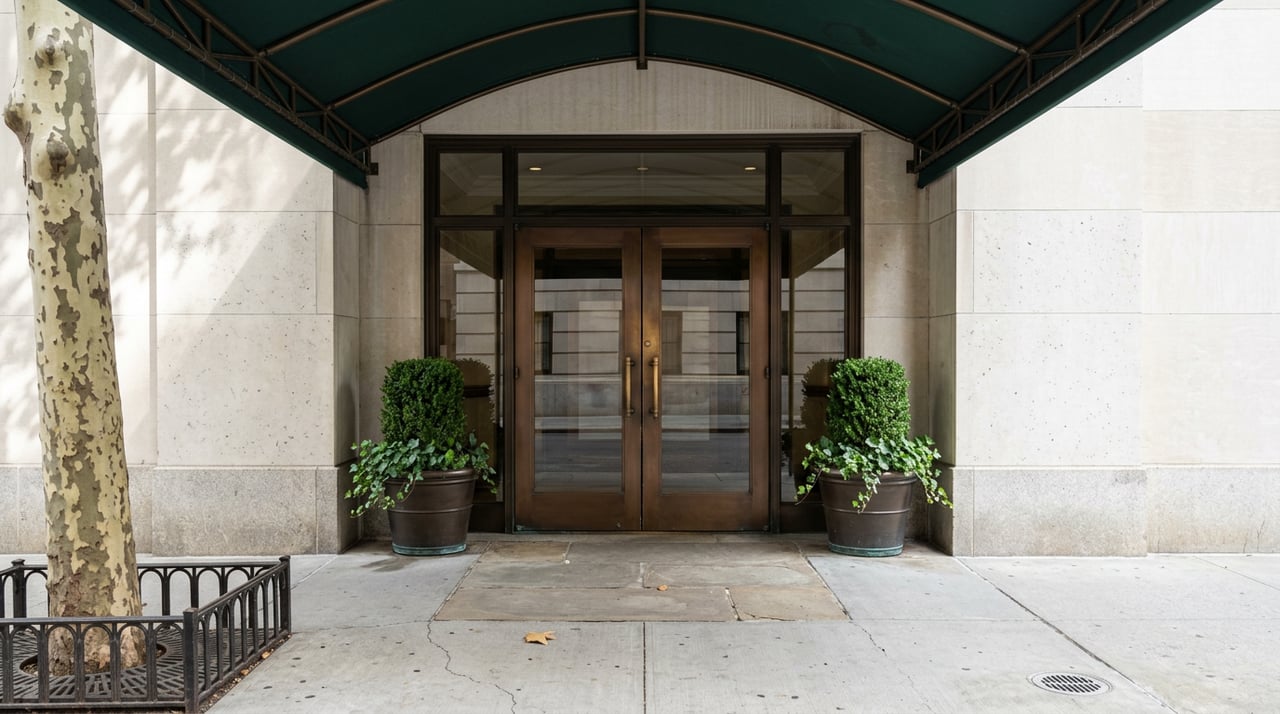
NoHo holds a compact record of 19th and early 20th century store‑and‑loft buildings that once housed dry‑goods showrooms and warehouses. These structures were built for daylight, display, and load‑bearing strength, which is why today’s residences feel open, flexible, and gallery‑like. According to the NoHo Historic District designation report, tall windows, cast‑iron or stone storefronts, and brick or terra‑cotta upper stories define the fabric that design lovers prize (LPC NoHo Historic District report).
THE BONES THAT MATTER
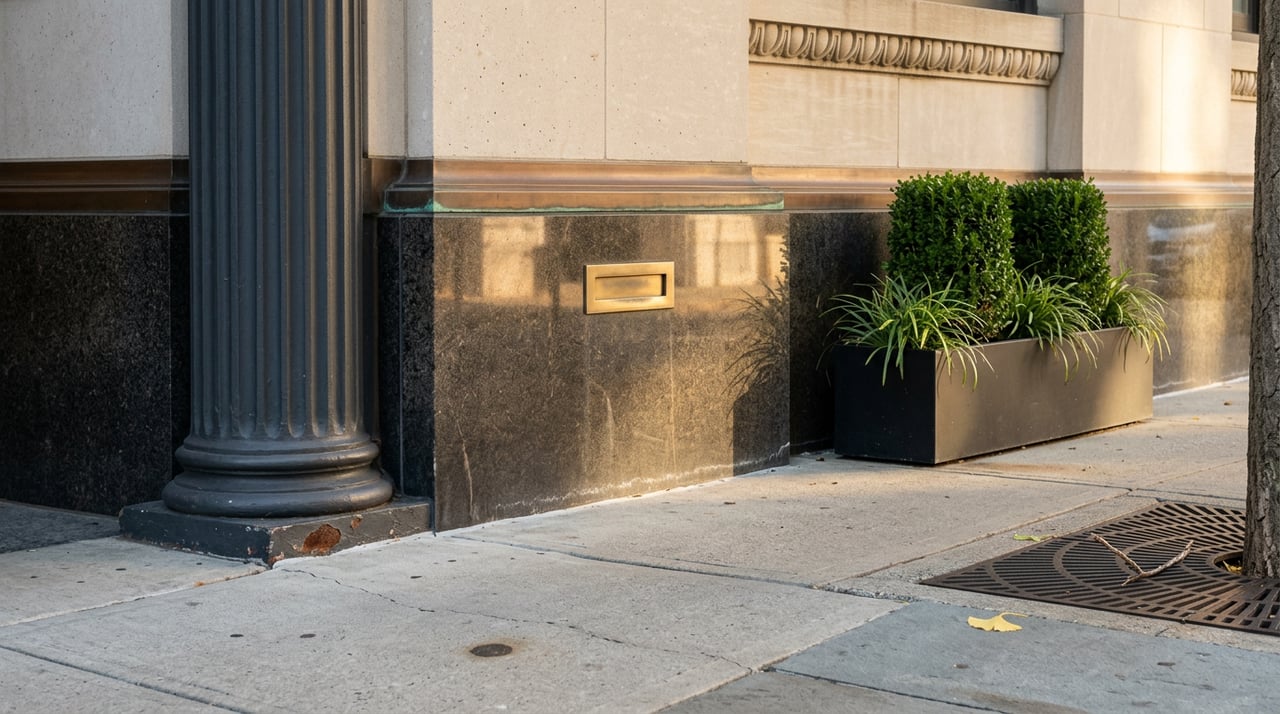
Many side‑street buildings sit on narrow, roughly 25‑foot‑wide lots with cast‑iron columns or later steel inside and heavy timber girders. This structural palette creates broad clear spans and few interior load walls, which is why layouts feel unconfined and adaptable (LPC NoHo Historic District report). You will often see expressive ironwork on lower levels, ornamental metal cornices, and honest brickwork above.
DAYLIGHT AND VOLUME
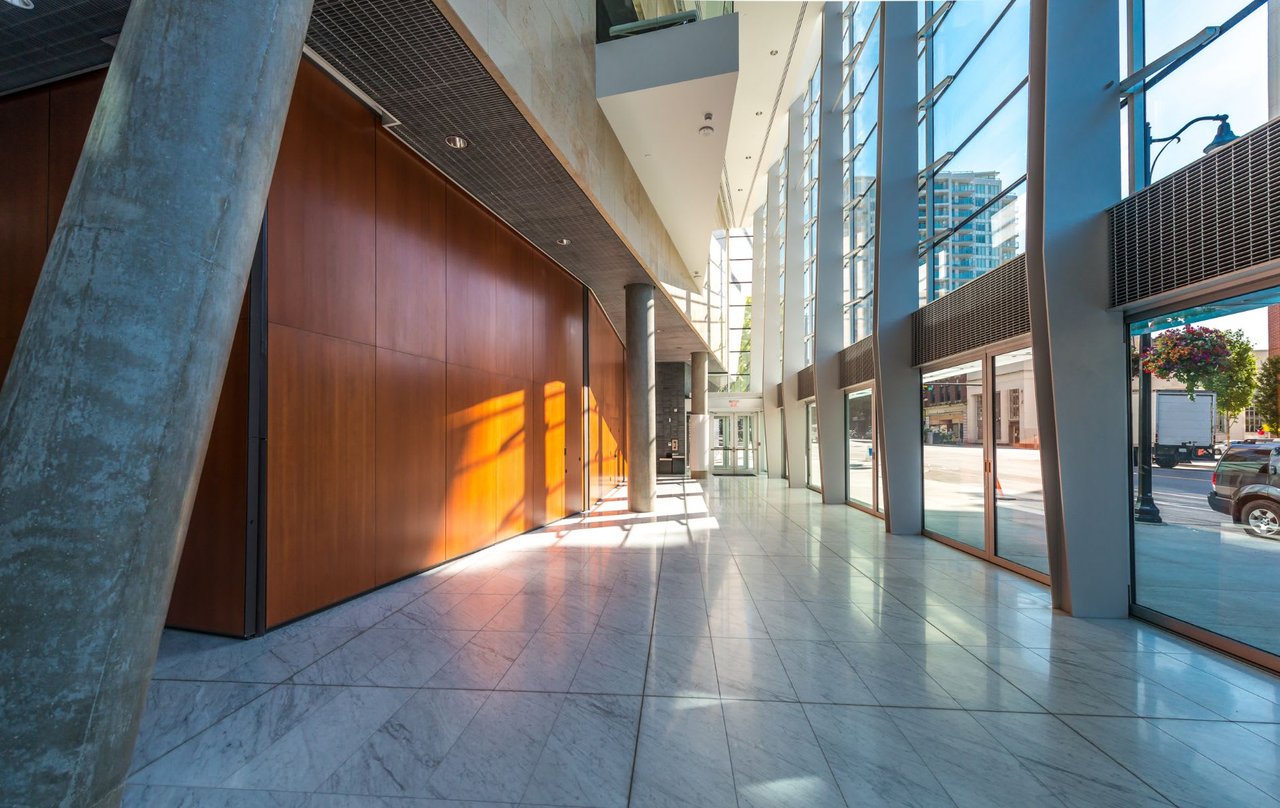
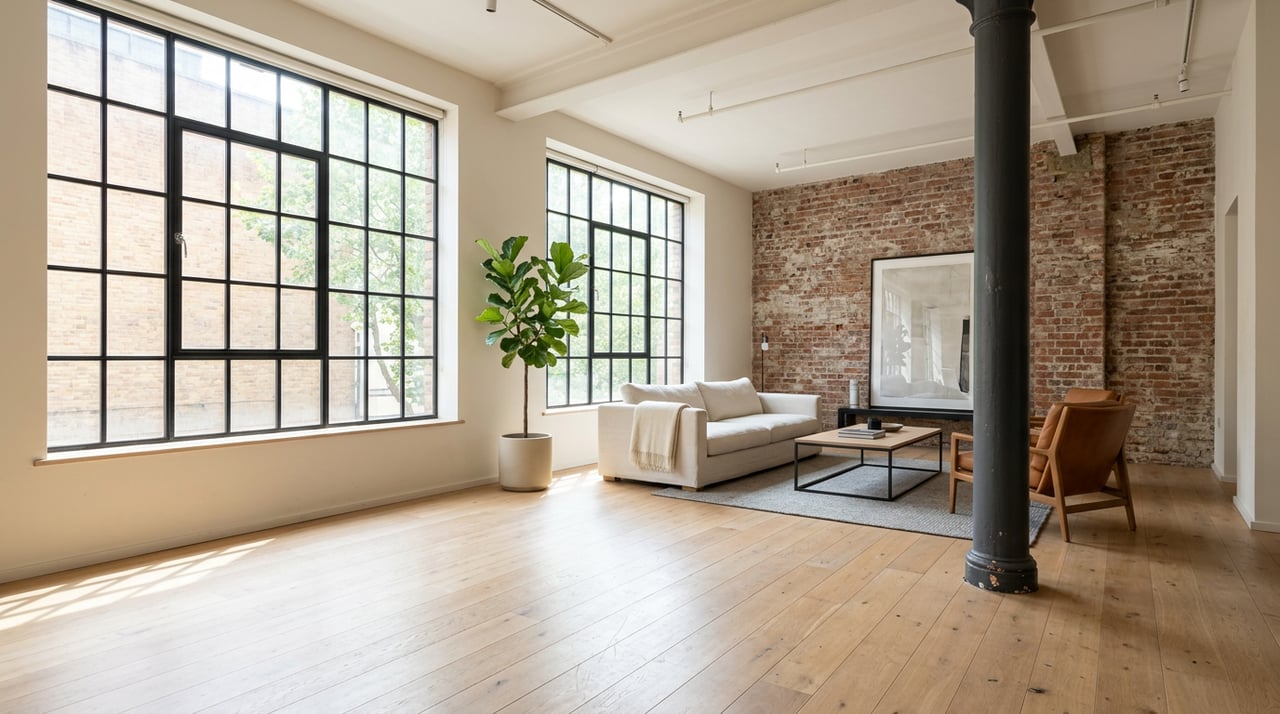
The original commercial purpose produced tall ceilings and large, regularly spaced windows that translate into generous, even light at home. Some lofts add mezzanines or double‑height moments where volume allows, but even single‑level spaces offer expansive wall planes perfect for art and shelving (LPC NoHo Historic District report).
A QUICK HISTORY IN ONE BLOCK
- 1850s to 1910s: NoHo developed as a dry‑goods corridor with showrooms at street level and storage or light manufacturing above. The result was a recognizable store‑and‑loft typology with robust materials and large window bays (LPC NoHo Historic District report).
- Mid 20th century: Commercial decline left many floors underused. By the 1960s and 1970s, artists were drawn to the light and volume for studios (LPC NoHo Historic District report).
- 1970s to 1980s: Early residential conversions began. Over time, the neighborhood’s lofts shifted from industrial leftovers to highly valued residences (LPC NoHo Historic District report).
- 1999 to 2000s: The city designated the NoHo Historic District and later extensions, helping preserve façades and streetscapes that define the area’s character (LPC NoHo Historic District report).
LANDMARK RULES IN PLAIN ENGLISH
Landmark status protects NoHo’s visual integrity, especially exteriors visible from the street. Window replacements, storefront restorations, cornice work, and rooftop additions typically require Landmarks Preservation Commission review and the appropriate permits. Interior work that does not affect protected exterior features is often outside LPC jurisdiction, but any exterior change will trigger review (Performing work on a landmarked property). Before you plan exterior design moves, align expectations with LPC procedures and timelines.
Inside the loft: living beautifully
LIGHT AND LAYOUT
Open plans and tall ceilings read like a gallery, which is both inspiring and practical. Define intimate zones with scaled furniture, layered lighting, and strategic rugs so the space feels intentional rather than cavernous. Thoughtful before‑and‑after stories show how reconfigured floor plans and lighting can make a loft both functional and visually calm (loft reconfiguration ideas).
MATERIALS TO CELEBRATE
Exposed brick, timber beams, and cast‑iron columns are the hallmarks of NoHo living. Many designers keep these textures visible while inserting crisp kitchens and baths as “objects” within the larger volume. The contrast preserves patina while delivering modern function, a balance reflected in the architecture’s origin story and common retrofit approaches (LPC NoHo Historic District report).
ACOUSTICS AND PRIVACY
The trade‑off for openness is sound. You can create quiet sleeping zones with built‑in storage partitions, double‑layered drywall, and sliding panels or curtains on ceiling tracks. Soft surfaces help too, from acoustic rugs to upholstered wall panels, tactics often seen in successful loft renovations (privacy and acoustic strategies).
TEMPERATURE COMFORT
Tall volumes change how spaces heat and cool. Expect to consider zoning, ceiling fans, and careful air sealing to manage stratification and seasonal swings. Industry guidance shows why mechanical upgrades in large‑volume spaces are common, and why planning them early can save cost later (HVAC considerations for large volumes).
Conversion and code essentials
LOFT LAW BASICS
New York State’s Loft Law created a path to legalize former commercial or manufacturing lofts that became residences. The NYC Loft Board oversees eligibility, registration, and rules for “interim multiple dwellings,” and provides updates on coverage criteria and amendments. If you are considering a building with a loft history, start with the Loft Board’s guidance to understand registration status and implications for renovation and tenancy (NYC Loft Board overview).
LEGALIZATION AND DOB
When a loft is brought up to residential code, owners file professional plans and an Alteration Type 1 with the Department of Buildings. Legalization typically addresses egress, fire separation, sprinklers, and MEP systems, which is why some loft renovations are technically involved even when they look minimal at first glance. Review the DOB’s project guidelines to align design ambition with code realities and realistic timelines (DOB Loft Law project requirements).
WHAT TO ASK ON A SHOWING
- Is the unit or building registered with the Loft Board, and what is the case or registration number (confirm with the Loft Board)?
- Does the unit have a residential Certificate of Occupancy, and are there DOB Alt‑1 filings you can review (see DOB project requirements)?
- Is the property inside a landmark district or individually designated, and what LPC approvals are expected for exterior work like windows or rooftop elements (reference the NoHo designation report)?
- Have mechanical systems, electrical service, and hot water been upgraded, and is there evidence of permitted work and recent service records (DOB guidance)?
- How is sound between units and from the street at different times of day?
- If you plan a mezzanine or partitions, what are the egress and code implications, and will you need an architect to review feasibility (DOB project requirements)?
When you are ready to buy or sell
A NoHo loft is a statement about how you want to live, but it is also a technical asset shaped by history, code, and preservation. You deserve guidance that respects both design and detail. For a private strategy session on curating inventory, navigating LPC and Loft Law questions, and positioning your purchase or sale for the best outcome, contact Marcia Koutellos, REALTOR. Schedule a private consultation.
FAQS
WHAT IS A NOHO HISTORIC LOFT, AND WHY IS IT SPECIAL?
- A NoHo loft typically sits in a 19th or early 20th century store‑and‑loft building with tall ceilings, large windows, and expressive materials like brick and cast iron, all documented in the district’s designation report.
CAN I REPLACE WINDOWS IN A LANDMARKED NOHO BUILDING?
- Often yes, but exterior changes visible from the street usually require Landmarks Preservation Commission review and permits, so plan ahead and follow the city’s LPC guidance.
HOW DO I CONFIRM IF A LOFT IS LEGAL FOR RESIDENTIAL USE IN NOHO?
- Check whether the building or unit is registered with the Loft Board and whether there is a residential Certificate of Occupancy, using the Loft Board overview and DOB project guidelines as starting points.
WHAT DESIGN UPGRADES ADD THE MOST VALUE IN NOHO LOFTS?
- Thoughtful lighting layers, discreet climate upgrades, and high‑quality kitchen and bath insertions that complement original brick, timber, and iron typically resonate with buyers while respecting landmark and code parameters.
ARE MEZZANINES ALLOWED IN HISTORIC NOHO LOFTS?
- Many lofts can accommodate mezzanines, but height, egress, and fire safety rules apply, so an architect and a DOB plan review are essential references before you commit, per DOB Loft Law project requirements.