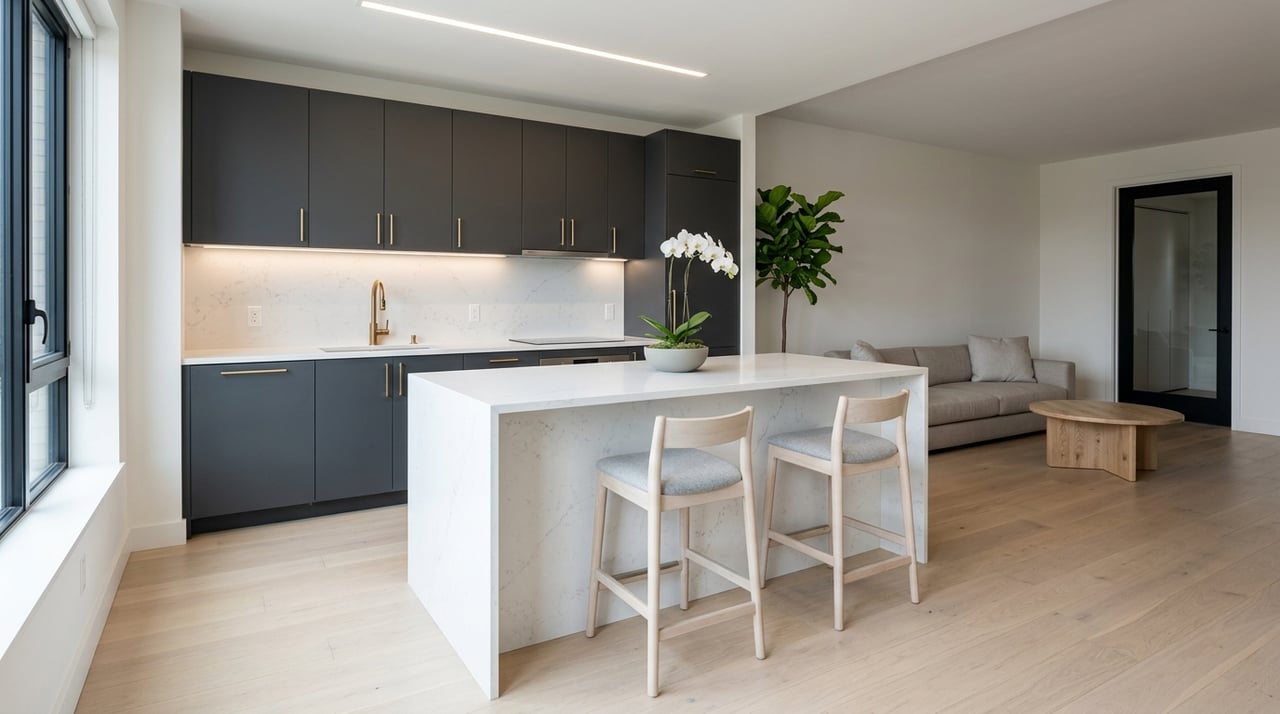
Are you thinking about selling an Upper East Side luxury home and wondering how to do it right from the start? In this market, a beautiful address alone is not enough. Buyers are informed, selective, and quick to compare one property against the next. With the right plan, you can position your home more effectively, avoid costly missteps, and move into the market with confidence. Let’s dive in.
Understand the Upper East Side micro-market
The Upper East Side is one of Manhattan’s most recognized luxury markets, but it is not one single pricing tier. The neighborhood stretches across a large area, and value can shift meaningfully based on your exact block, building, exposure, and proximity to Central Park, Fifth Avenue, or Park Avenue.
StreetEasy notes that the most expensive real estate is concentrated along Fifth and Park Avenues, while other parts of the neighborhood can present a more moderate price profile. That means your home should be evaluated against very close comparable sales, not just broad neighborhood headlines.
That distinction matters because neighborhood-wide numbers only tell part of the story. Zillow’s May 31, 2026 snapshot shows 1,169 homes for sale, a median sale price of $1,267,500, a median sale-to-list ratio of 0.978, 21.0% of sales over list price, 64.5% under list price, and 58 median days to pending. StreetEasy also reports a median sale of $1.2M and 58 median days on market.
For a luxury seller, the takeaway is clear. You are selling into an active market, but not an automatic one. Buyers are still negotiating, comparing, and looking closely at condition, presentation, and price.
Set pricing with precision
One of the most important early decisions is your launch price. In a prestige market, it can be tempting to test a high number and see what happens. Current Upper East Side data suggest a more disciplined approach is usually stronger.
With a 0.978 median sale-to-list ratio and a majority of sales closing under list price, pricing too aggressively can weaken momentum. Luxury buyers often know the building history, recent sales, and competing inventory before they walk through the door.
A strong pricing strategy should reflect:
- Your exact building or townhouse type
- Floor height and natural light
- Views and exposure
- Layout and scale
- Renovation quality and condition
- Recent nearby comparable sales
The goal is not simply to list high. The goal is to launch in a way that captures attention, encourages serious showings, and supports stronger negotiation once buyers engage.
Time your listing for market advantage
Timing can shape both speed and leverage. According to StreetEasy’s 2026 seasonality analysis, New York City inventory tends to build through early spring, peak in May, then decline after Memorial Day. A smaller wave usually returns in September and October.
For many sellers, that makes late spring the strongest launch window, with early fall as a practical second choice. StreetEasy’s seller-focused analysis goes even further, identifying March as the best month to list if your goal is speed and leverage.
Homes listed in the first week of March went into contract 16 days earlier than comparable listings. March listings also had a 4.1% higher probability of selling above ask, and spring listings sold about 27 days faster than homes listed in autumn and early winter.
If you want to take advantage of that window, preparation should start early. A luxury listing often needs at least a month of planning before it goes live, especially if you want time for repairs, editing, staging, photography, and scheduling.
Prepare your home before launch
Luxury sales are won long before the first showing. Buyers at this level expect a polished experience, both online and in person. Small distractions can stand out more when the price point is high.
NAR’s 2025 staging report found that 29% of agents said staging increased the dollar value offered by 1% to 10%. It also found that 49% said staging reduced time on market. The rooms buyers cared about most were the living room, primary bedroom, and kitchen.
That same report found that buyers place high importance on photos, physical staging, videos, and virtual tours. It also noted that 48% of agents said buyers expect homes to look like TV-staged properties, while 58% said buyers feel disappointed when they do not.
Before launch, focus on the basics that support a refined presentation:
- Declutter every room
- Deep clean the entire home
- Edit furniture to improve flow and scale
- Refresh paint or finishes where needed
- Address minor repairs before photography
- Prepare key rooms with a clean, elevated look
NAR also found that common seller recommendations include decluttering, cleaning, and improving curb appeal. In the Upper East Side, curb appeal may mean something different depending on the property type, but the principle is the same. Your home should feel well cared for, intentional, and ready.
Make light and views part of the strategy
On the Upper East Side, presentation is not only about furniture and finishes. It is also about light. StreetEasy notes that many high-rise buildings cast long shadows across neighborhood streets, which can affect how homes show in photos and in person.
That means image timing matters. Window treatments, lighting choices, and the time of day for photography can all influence how spacious and inviting a home appears online.
If your home is park-adjacent, has open views, or benefits from strong natural light, those features should be obvious right away. Buyers often form their first impression within seconds, and your strongest visual asset should not be hidden deep in the photo sequence.
Review townhouse and exterior details early
If you are selling a townhouse, your planning process may need an extra layer of review. The New York City Landmarks Preservation Commission states that if a building is landmarked or located in a historic district, most exterior alterations, reconstruction, demolition, or new construction affecting the property require prior approval.
The same rules apply to structures within historic districts, not only individually designated landmarks. Owners are also required to keep buildings in good repair.
For sellers, that means visible exterior work should be reviewed before the property is marketed. This can include:
- Windows
- Stoops
- Roof work
- Rooftop additions
- Other exterior alterations
Permit status and approval history can become important during buyer due diligence. Addressing these issues early can help reduce surprises later in the process.
Build a luxury marketing plan
Luxury buyers expect more than a simple listing upload. They respond to clear positioning, strong visuals, and broad exposure. NAR’s 2025 seller survey found that 91% of sellers used a real estate agent, and many said they chose an agent to reach a wider pool of buyers and price more competitively.
For an Upper East Side luxury home, a strong marketing plan should feel intentional from day one. It should combine polished media, strategic launch timing, and direct outreach to qualified buyers and agents.
An effective campaign often includes:
- Professional photography
- Video and virtual tour assets
- Thoughtful staging and styling
- Clear pricing strategy
- Coordinated launch timing
- Broad distribution to local and remote buyers
- Direct broker and buyer outreach
This is especially important for sellers who value discretion, are selling a trophy asset, or may attract domestic and international interest. A tailored strategy can help your home stand out while still protecting the tone and privacy expected in the luxury space.
Prepare for negotiation from the start
Negotiation does not begin when the first offer arrives. It begins with pricing, timing, preparation, and how your home enters the market. When those pieces are aligned, you are often in a stronger position to respond with clarity rather than react under pressure.
In the current Upper East Side environment, buyers are selective and often negotiate carefully. That makes early market positioning especially important. If the listing feels fresh, well-presented, and properly priced, it can create a very different discussion than a property that enters the market with hesitation or mixed signals.
This is where experience matters. A strong negotiation strategy should account for not only headline price, but also timing, contingencies, due diligence issues, and how to maintain leverage throughout the process.
Factor in seller closing costs early
Luxury home sales in New York come with meaningful transaction costs, and it is wise to build them into your plan from the beginning. Waiting until late in the process can create avoidable stress and affect your net proceeds.
According to New York State, the state transfer tax is $2 for each $500 of consideration. New York City’s residential real property transfer tax is 1% at $500,000 or less and 1.425% above $500,000. The state’s mansion tax is 1% of the sale price for residences at $1 million or more, and it is generally paid by the buyer.
The state and city also indicate that the relevant transfer tax filings are generally due within 15 days of delivery of the deed or document. While your specific closing team will guide the filing process, understanding these costs early can help you make more informed decisions about pricing and timing.
Bring the full plan together
The sale of an Upper East Side luxury home is rarely about one single tactic. Price, timing, presentation, permit history, and transaction costs all work together. When one piece is off, it can affect the rest of the process.
The strongest outcomes usually come from planning ahead, preparing carefully, and entering the market with a strategy built for your exact property. In a neighborhood where block, building, light, and presentation can all shape value, a tailored approach is essential.
If you are preparing to sell and want discreet, data-driven guidance, Marcia Koutellos, REALTOR offers boutique service, polished marketing, and strategic support for complex luxury sales.
FAQs
What affects the value of an Upper East Side luxury home?
- Value can vary based on the exact block, building pedigree, floor height, light, views, layout, condition, and proximity to premium corridors such as Fifth Avenue, Park Avenue, and Central Park.
When is the best time to list an Upper East Side home?
- StreetEasy’s 2026 seasonality data suggest spring is the strongest listing season, with March standing out for speed and leverage and early fall serving as a secondary option.
How important is staging for a Manhattan luxury sale?
- NAR’s 2025 staging report found that staging can help reduce time on market and may increase the dollar value buyers offer, especially when key rooms like the living room, primary bedroom, and kitchen are presented well.
What should Upper East Side townhouse sellers review before listing?
- If the property is landmarked or in a historic district, sellers should review exterior alterations and permit history early, including windows, stoops, roofs, and rooftop additions.
What seller costs should I plan for in a New York City home sale?
- Sellers should account for New York State transfer tax and New York City residential real property transfer tax, while the mansion tax generally applies to qualifying residences at $1 million or more and is generally paid by the buyer.