HIGHLIGHTS
December 18, 2025 | Residential Real Estate | Market
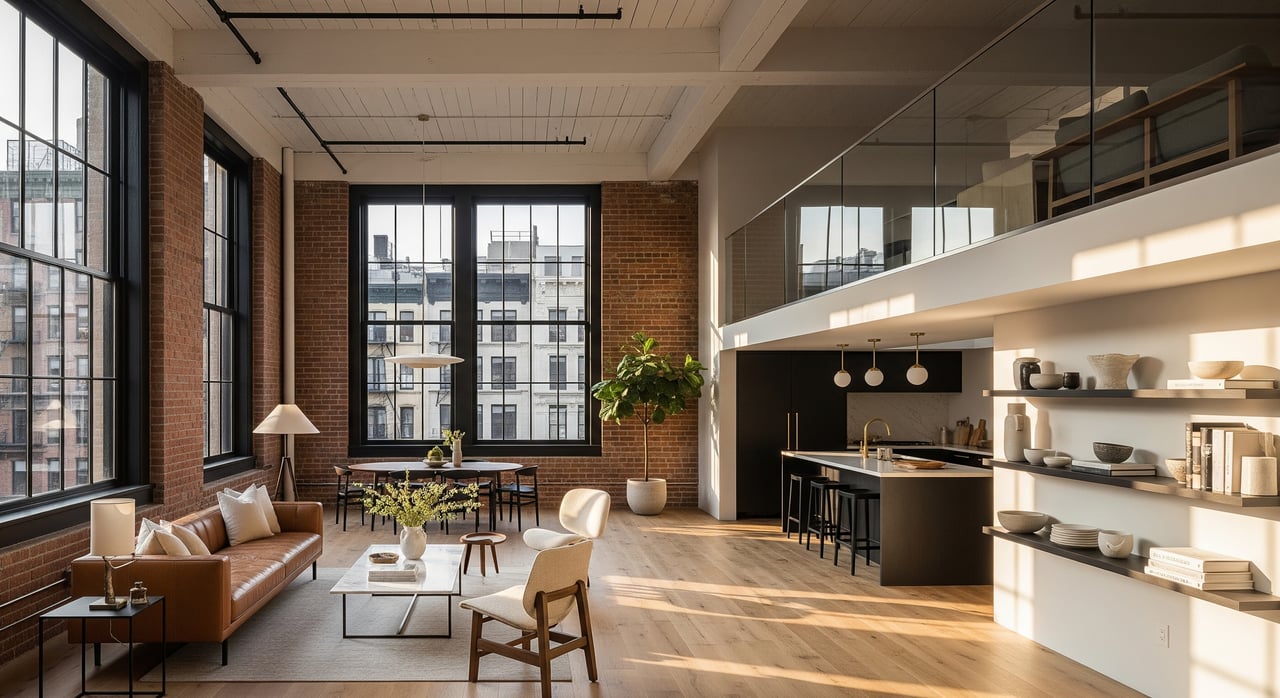
You picture sunlight streaming through oversized windows, ceilings soaring above you, and original cast-iron details that tell a New York story. If that sounds like your vision, a NoHo loft might be calling your name. The best lofts feel effortless, yet buying one in a historic building can be complex without the right roadmap. In this guide, you’ll learn how NoHo lofts are built, how ownership works, which regulations matter, and what to check before you make an offer. Let’s dive in.
What defines a NoHo loft
SIGNATURE ARCHITECTURE AND VOLUME
NoHo’s loft buildings were once commercial spaces, often with cast-iron or brick facades and tall storefront-style windows. Inside, you typically see ceilings in the low to mid teens, around 12 to 14 feet, and sometimes higher. That volume creates a dramatic feel but also affects heating, cooling, and acoustics. Many buyers prioritize the patina of original columns, beams, and window profiles that anchor the aesthetic.
OPEN LAYOUTS AND COLUMNS
Original floorplates were designed for light manufacturing or warehouse use, so you get open spans and a structural column grid. Columns define bays, influence furniture placement, and become part of the design. Large windows bring strong daylight down narrow streets, which informs where you might place living and sleeping areas. Vertical access can vary, so confirm whether the building is a walk-up or has a small passenger or freight elevator.
BUILDING SYSTEMS YOU WILL FIND
Older buildings often have layered systems. Many lofts use in-unit radiators or through-wall air conditioning unless the building was fully modernized. Plumbing stacks and electrical service can vary by floor and may limit where you add baths or heavy appliances. Before you plan a move-in, confirm the elevator size and stop pattern to make sure furniture, art, and storage solutions can get upstairs.
Ownership structures to weigh
CO-OPS VS CONDOS IN HISTORIC CONVERSIONS
In NoHo, you will see both co-ops and condos. A co-op is owned by a corporation, and you own shares with a proprietary lease for your apartment. Co-ops usually have a more rigorous board process that can include detailed financial disclosure, an interview, and rules about subletting and renovations. Condos are real property with generally more flexible policies, which can help with financing, subletting, and investor use.
HYBRIDS AND RENTALS
Some buildings are structured as condops or have commercial condo overlays, especially where ground-floor retail coexists with residential units above. A few loft-style units may also exist in rental buildings, with different tenant protections depending on the situation. Hybrid structures can be more complex to understand and may affect future alterations and governance, so you should review the governing documents carefully.
MONTHLY COSTS AND ASSESSMENTS
Expect monthly maintenance in co-ops and common charges in condos, plus the possibility of assessments. Historic loft buildings can require significant capital work for facades, windows, or systems. Future assessments can impact your total cost of ownership, so it is smart to review reserve studies, recent capital projects, and the building’s financial statements.
NoHo regulations that matter
LANDMARKS AND EXTERIOR WORK
Many NoHo properties sit within historic districts or are individually landmarked. Exterior changes that are visible from the street, such as window replacements, facade repairs, or entrance modifications, typically require review and permits from the Landmarks Preservation Commission. Expect longer timelines and higher costs for exterior work, as materials and profiles often need to match historic conditions.
LOFT LAW AND LEGALIZATION
New York City’s Loft Law governs the conversion and legalization of certain former commercial lofts used as residences. The Loft Board oversees registration, required safety upgrades, and related tenant protections. Whether a building is covered by the Loft Law can affect your renovation options, documentation, and risk profile. Many lofts were legalized through this process or via formal condo or co-op offering plans that included updated Certificates of Occupancy.
CERTIFICATE OF OCCUPANCY AND DOB
The Certificate of Occupancy is essential. It lists the permitted use and legal layout. Buying a loft that lacks a residential C of O can create financing and insurance challenges and may lead to violations. It is also important to check Department of Buildings records for open violations, permit history, facade inspection compliance, and fire and life-safety features such as sprinklers and egress.
DUE DILIGENCE CHECKLIST BEFORE YOU OFFER
Documents to review
- Certificate of Occupancy that confirms legal residential use and your unit’s layout.
- Department of Buildings permit history for renovations, structural changes, plumbing, and HVAC.
- Loft Board or Loft Law status, including any open or closed legalization cases.
- Landmarks Commission approvals for past facade and window work if the property is in a historic district.
- Offering plan, proprietary lease, or condo bylaws for renovation rules, sublet policies, and pending litigation.
- Financials, capital reserves, and evidence of upcoming work or assessments.
Building and unit inspections
- Structural layout and column grid, plus any limits on adding a mezzanine or new rooms.
- Mechanical, electrical, and plumbing systems, including amperage and the age of stacks and boilers.
- Fire and life-safety features such as sprinkler coverage, alarms, and code-compliant egress.
Sound transfer and privacy, including street noise and adjacencies to restaurants or retail.
- Water intrusion history, roof condition, and drainage at street level or below grade.
- Elevator type, capacity, and freight access for large furniture or art.
Lifestyle and budget fit
- Utility costs for heating and cooling tall spaces and whether heat is included in monthly charges.
- Storage solutions, since original lofts often have minimal built-in closets.
- Amenity package expectations. Many NoHo loft buildings are boutique with limited amenities.
- Renovation timelines and costs, which can rise in landmarked buildings that require specialized trades and approvals.
Design & renovation planning
ADDING BEDROOMS OR A MEZZANINE
You can often add bedrooms or build a mezzanine, but it depends on structure, ceiling height, egress, and building approvals. Co-op or condo rules, plus city codes, will guide what is possible. Before you buy, confirm feasibility with an architect or engineer who understands older buildings and can coordinate approval pathways.
SOUND, CLIMATE, AND LIGHT STRATEGIES
Plan for sound control across open plans with smart partitions, insulation, and floor underlayments. For climate, many buyers add or upgrade split systems to complement radiators and better control temperature in tall spaces. Thoughtful window treatments and layout planning help you harness NoHo’s strong daylight while managing glare and privacy.
IS A NOHO LOFT RIGHT FOR YOU
You will likely love a NoHo loft if you prioritize open-plan living, dramatic ceilings, original columns and beams, and daylight that sets the tone for your art and furniture. You value authenticity and are comfortable with renovation and the tradeoffs of historic buildings. You also appreciate downtown culture, boutique retail, and a design-forward lifestyle.
You might prefer another option if you want turnkey mechanical systems, predictable low maintenance costs, or developer warranties. Families that need strictly enclosed bedrooms or abundant built-in storage from day one may also look toward newer developments with more conventional layouts.
COMMON RED FLAGS
- The unit’s residential use does not appear on the Certificate of Occupancy.
- Unpermitted work that touches structure, mechanicals, or egress.
- Open violations, low reserves, or clear signs of deferred maintenance.
- Complex ownership structures that complicate financing or limit future renovations.
- Lack of sprinkler coverage or unclear life-safety provisions.
Work with a trusted advisor
Buying a NoHo loft is as much about due diligence as it is about design. With the right guidance, you can secure a space that feels inspiring today and remains resilient for years to come. If you want a discreet, high-touch process supported by sharp negotiation and global reach, connect with Marcia Koutellos, REALTOR for a private consultation tailored to your goals.
FAQs
What makes NoHo lofts unique compared to new condos?
- NoHo lofts are adapted from historic commercial buildings with high ceilings, column grids, and large windows. New condos tend to offer enclosed rooms, modern systems, and broader amenity packages.
How does landmark status affect renovations in NoHo?
- Exterior changes visible from the street, such as windows and facades, generally require Landmarks Preservation Commission review. Expect longer timelines and stricter material and profile requirements.
What is the Loft Law and why does it matter for buyers?
- The Loft Law and Loft Board oversee the legalization of certain former commercial lofts used as residences. Status under this framework can affect renovation options, documentation, and protections.
How do co-op and condo financing differ for NoHo lofts?
- Co-op loans are loans on shares with a proprietary lease and often stricter board rules. Condo loans are mortgages on real property and usually offer more flexibility for financing and subletting.
What due diligence helps prevent surprises when buying a loft?
- Verify the Certificate of Occupancy, check Department of Buildings records and violations, review governing documents and financials, and assess systems, sprinklers, egress, and facade compliance.
Are lofts harder to heat and keep quiet?
Tall ceilings and large windows can increase heating and cooling demand, and open plans can carry sound. Many buyers add supplemental HVAC, soundproofing, and strategic partitions to manage comfort and privacy.